
Introduction to Crispy Gochujang Korean Tofu
Brief Introduction to the Popularity of Korean Cuisine and Homemade Meals
Korean cuisine has surged in popularity, captivating food lovers with its vibrant flavors and unique ingredients. From kimchi to bulgogi, each dish tells a story of tradition and innovation. With the rise of homemade meals, many young professionals are seeking quick yet delicious recipes that bring the essence of Korean dining into their kitchens.
Introducing the Recipe for Crispy Gochujang Korean Tofu
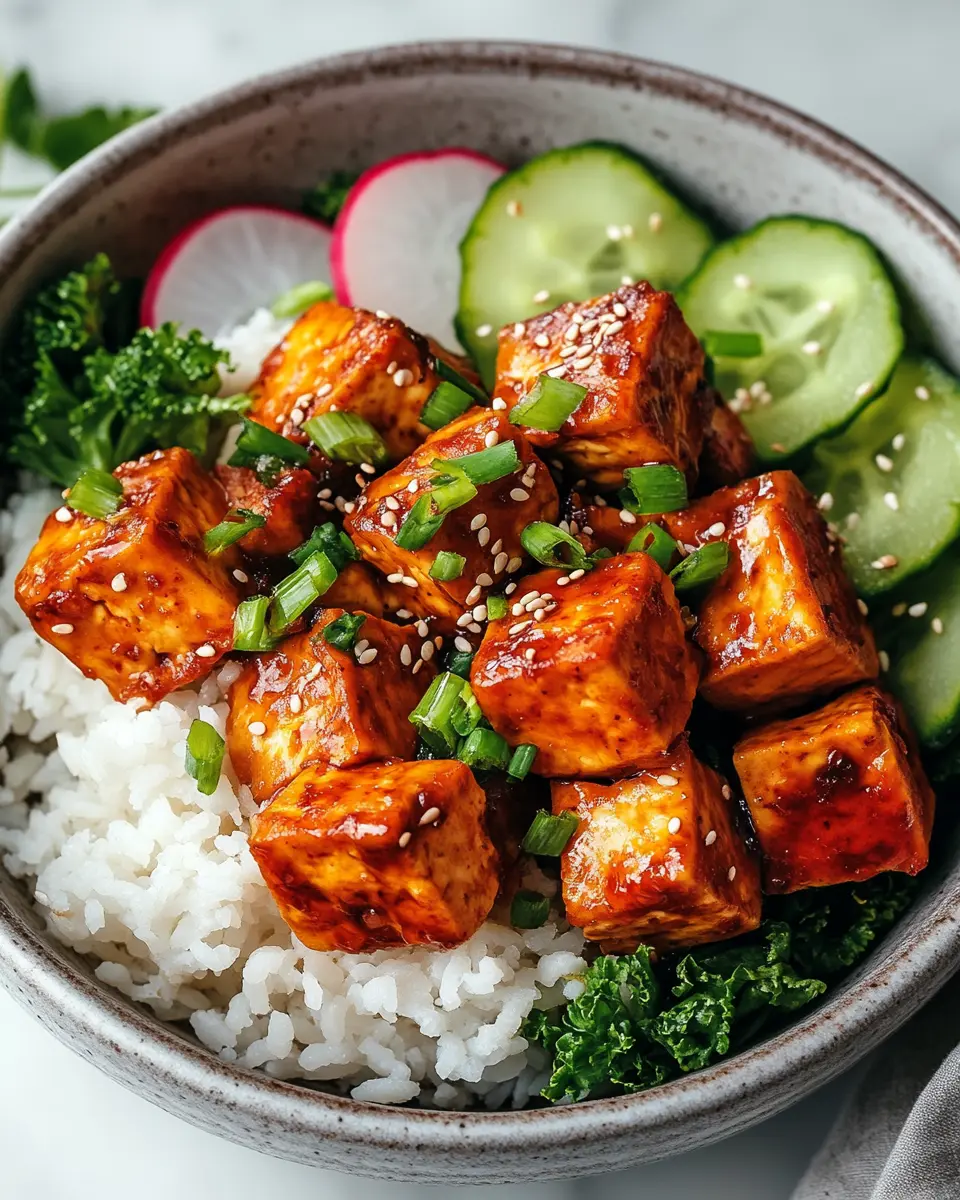
If you’re looking for a quick, flavorful, and healthy option, look no further than Crispy Gochujang Korean Tofu. This dish perfectly balances spice and texture, making it an ideal choice for time-pressed individuals seeking a satisfying meal. Imagine biting into crispy tofu cubes coated in a spicy gochujang sauce that elevates your taste experience. It’s not just a meal; it’s a delightful culinary adventure that you can whip up in just a few minutes! Enjoy the satisfaction of a homemade dish that’s both nourishing and bursting with flavor.
Key Ingredients for Crispy Gochujang Korean Tofu
Firm Tofu
Firm tofu (14 ounces): An excellent source of protein, firm tofu holds flavor exceptionally well while achieving a delightful crispiness on the outside. Its texture allows it to soak up the gochujang sauce, enhancing every bite.
Gochujang
Gochujang (2 tablespoons): This spicy and savory Korean red chili paste is a game changer, adding a unique depth of flavor to the dish. Its rich heat complements the tofu perfectly, making each mouthful a burst of taste.
Soy Sauce
Soy sauce (1 tablespoon): Essential for enhancing the umami taste, soy sauce balances the spiciness of gochujang and adds a savory note that brings the dish together beautifully.
Sesame Oil
Sesame oil (1 tablespoon): Known for its rich, nutty flavor and aroma, sesame oil contributes a delightful depth to the dish, elevating the overall flavor profile and making it irresistible.
Cornstarch
Cornstarch (2 tablespoons): This ingredient is key to achieving the desired crispy texture when frying the tofu. It creates a protective coating that locks in moisture while forming a crunch on the outside.
Vegetable Oil
Vegetable oil (1 tablespoon): Used for frying, vegetable oil creates a golden and crunchy exterior, ensuring that the tofu is perfectly crispy and delicious with each bite.
Sesame Seeds
Sesame seeds (1 teaspoon): These tiny seeds add a lovely crunch and complement the flavors beautifully, enhancing the visual appeal and texture of the dish.
Green Onions
Green onions (2, chopped): Providing freshness and color, chopped green onions enhance the dish aesthetically and add a subtle onion flavor that brightens up the overall taste.

Why You’ll Love This Recipe
The Joy of Cooking and Experimenting with Flavors
Cooking is often a delightful journey of experimentation, where every dish tells a personal story. The joy of preparing Crispy Gochujang Korean Tofu lies in the ability to play with flavors and textures, transforming simple ingredients into a culinary masterpiece. Whether it’s a busy weeknight or a casual gathering, this recipe invites you to explore your creativity in the kitchen.
Ease of Preparation and Dietary Flexibility
One of the best aspects of this dish is its straightforward preparation. In just 25 minutes, you can whip up a delicious meal that caters to various dietary preferences, including vegan-friendly options. With minimal ingredients and simple steps, it’s perfect for young professionals who may not have much time but still want to enjoy home-cooked meals.
Versatility and Appeal to All Palates
Crispy Gochujang Korean Tofu is not just for tofu enthusiasts; its versatility makes it appealing to all palates. Whether paired with rice, noodles, or a fresh salad, it adapts effortlessly to different sides and preferences. Plus, the tangy spice of gochujang enhances the dish, making it a hit even among those new to Korean cuisine. Enjoy the flavors and textures that make this dish a standout choice for any meal!
Variations
Explore Different Options for Spice Levels
Crispy Gochujang Korean Tofu is wonderfully adaptable when it comes to spice levels. If you prefer a milder version, consider reducing the amount of gochujang or mixing in a bit of honey or maple syrup to balance the heat. Conversely, for those who crave an extra kick, adding more gochujang or incorporating chili flakes can elevate the dish to new spicy heights.
Suggest Replacing Tofu with Other Proteins
While tofu is a fantastic option, feel free to switch it up! Tempeh makes a great substitute, providing a nutty flavor and chewy texture. For non-vegan options, chicken can be marinated in the same sauce and cooked to golden perfection, offering a different protein choice that pairs well with the robust flavors.
Discuss Adding Vegetables for Extra Nutrition and Color
To enhance the nutritional value and visual appeal of your dish, consider adding colorful vegetables. Bell peppers, broccoli, or snap peas not only contribute a crunch but also infuse the meal with vibrant colors. Tossing in these veggies during the frying process can create a delightful medley that complements the crispy tofu beautifully.
Cooking Tips and Notes
Tips for Pressing Tofu for Optimal Texture
To achieve the perfect texture for your crispy gochujang Korean tofu, it’s essential to press the tofu properly. Start by wrapping the firm tofu in a clean kitchen towel or paper towels, then place a heavy object on top, such as a skillet or a few canned goods. Let it sit for at least 15-30 minutes to remove excess moisture, which helps the tofu achieve a crispier finish when cooked.
Best Practices for Frying Tofu to Achieve the Perfect Crispiness
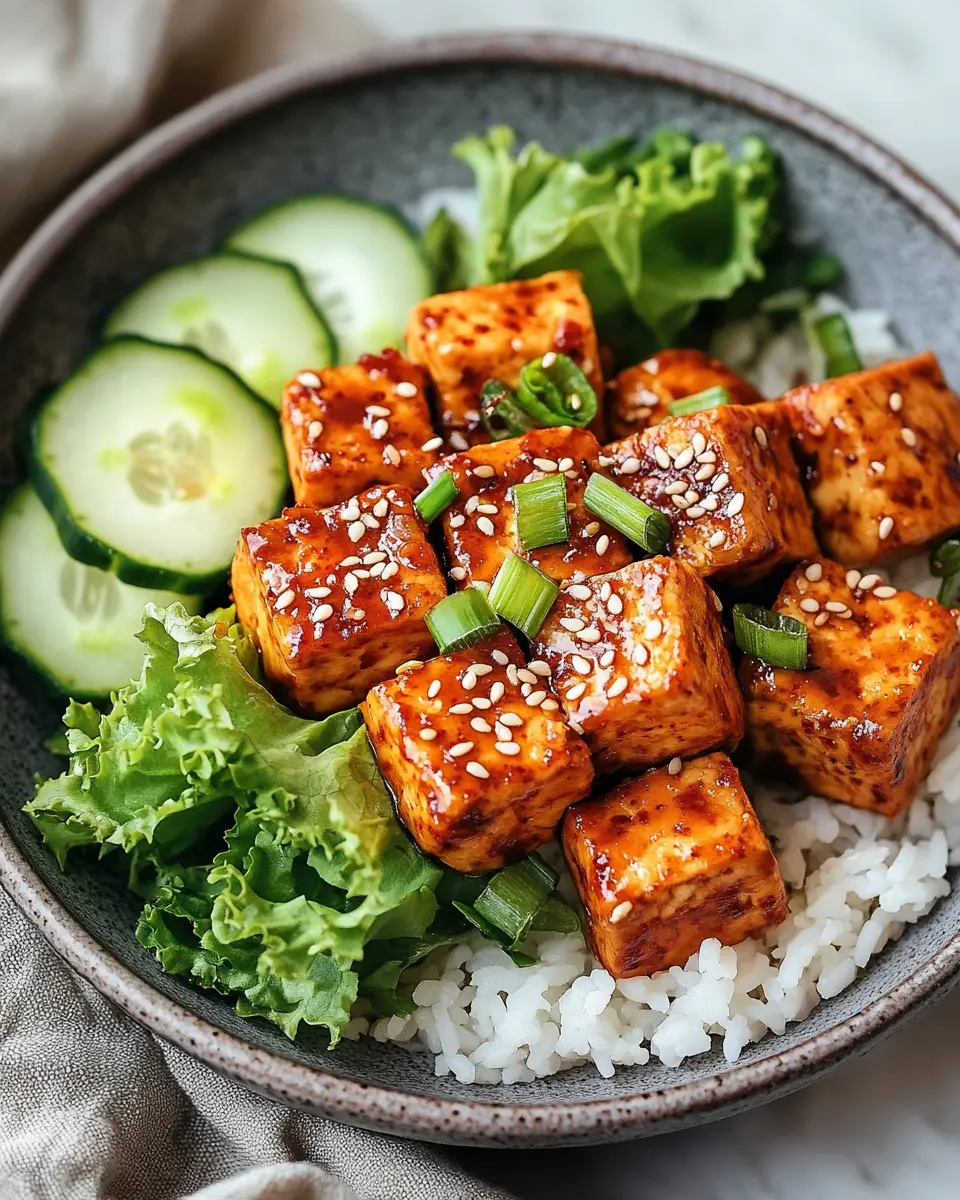
When frying tofu, ensure your oil is hot enough before adding the tofu cubes. This helps create a golden, crispy exterior. Use medium-high heat and avoid overcrowding the skillet, as this can lower the oil temperature and result in soggy tofu. Fry the cubes in batches if necessary, and flip them to ensure even browning on all sides.
Notes on How to Store Leftovers and Reheat Without Losing Texture
If you have leftovers, store the crispy tofu in an airtight container in the refrigerator. To reheat, place the tofu in a preheated oven at 350°F (175°C) for about 10-15 minutes to regain its crispiness. Avoid microwaving, as this can make the tofu chewy instead of keeping it crispy. Enjoy your delicious and spicy crispy tofu even the next day!
Serving Suggestions
Ideas for Sides that Pair Well with Crispy Tofu
Crispy Gochujang Korean Tofu shines when served alongside a variety of complementary sides. Steamed jasmine or brown rice provides a neutral base, soaking up the delicious sauce. Alternatively, noodles tossed in sesame oil and vegetables make for a fulfilling combination. Stir-fried vegetables, such as bell peppers and bok choy, add color and nutrition, creating a well-rounded meal that pleases the palate.
Presentation Tips for an Inviting Meal
Presentation can elevate your dining experience, making it more enjoyable. Serve the crispy tofu on a large platter, garnished with sesame seeds and chopped green onions for a pop of color. Arrange the sides in vibrant sections around the tofu, ensuring each element is visually appealing. Using colorful plates can also enhance the overall look, inviting everyone to dig in.
Suggestions for Dipping Sauces
To add an extra layer of flavor, consider offering dipping sauces. A simple mix of soy sauce and rice vinegar provides a tangy contrast, while a spicy kimchi sauce can tantalize those seeking an additional kick. For a creamier option, try a sesame or peanut sauce that complements the dish’s spicy notes. These dipping sauces not only enhance the flavor but also add a fun interactive element to your meal.

Time Breakdown
Preparation
Getting ready to cook this delicious dish takes just 10 minutes. During this time, you’ll press the tofu and gather your ingredients, ensuring everything is at hand for a smooth cooking experience.
Cooking
The cooking process for Crispy Gochujang Korean Tofu takes about 15 minutes. Frying the tofu until it’s golden brown and crispy is the highlight of this quick meal.
Total
In total, you’ll need only 25 minutes to prepare and cook this flavorful dish, making it perfect for busy weeknights when time is of the essence.
Nutritional Facts
Key Nutritional Information Per Serving
Crispy Gochujang Korean Tofu offers a satisfying balance of nutrients. Each serving contains 200 calories, with 12g of fat (1g saturated, 10g unsaturated), 16g of carbohydrates (1g fiber, 1g sugar), and 12g of protein. Notably, this dish is cholesterol-free and provides 600mg of sodium.
Health Benefits of Main Ingredients
The main ingredients contribute to a healthier meal. Tofu is a great source of plant-based protein and contains essential amino acids, making it ideal for a vegan diet. Gochujang, rich in antioxidants, may help boost metabolism. Meanwhile, sesame oil adds heart-healthy fats. Together, these components create a flavorful and nutritious dish that supports a balanced diet.
FAQ based on “People Also Ask” section
How do I prepare Crispy Gochujang Korean Tofu?
To prepare this flavorful dish, start by pressing the tofu to remove excess moisture, then cut it into cubes. Toss the tofu in a mixture of gochujang, soy sauce, and sesame oil before coating it with cornstarch. Finally, fry the tofu until it’s golden brown and crispy.
Can I substitute ingredients in the recipe?
Absolutely! If you don’t have firm tofu, tempeh is a great alternative. For a different flavor, you could use chicken or even a mix of your favorite vegetables. Adjust the gochujang to your spice preference, and feel free to experiment with other sauces for a unique twist.
How do I store leftovers?
To store leftovers, place the crispy tofu in an airtight container in the refrigerator. It’s best consumed within a couple of days. When reheating, use an oven to restore its crispiness instead of a microwave, which can make it chewy.
What are some tips for serving this dish?
For an appealing presentation, serve the crispy tofu on a colorful plate garnished with sesame seeds and chopped green onions. Pair it with steamed rice or stir-fried vegetables for a complete meal. A selection of dipping sauces can also enhance the dining experience.
Conclusion
Summarize the Importance of Trying Homemade Meals
In today’s fast-paced world, taking the time to prepare homemade meals can be incredibly rewarding. Not only does it allow you to control the ingredients and flavors, but it also fosters creativity in the kitchen. Dishes like Crispy Gochujang Korean Tofu are perfect examples of how easy and delicious homemade cooking can be.
Encourage Readers to Try Out the Crispy Gochujang Korean Tofu Recipe
I encourage you to try out this Crispy Gochujang Korean Tofu recipe. With its bold flavors and satisfying textures, it’s sure to become a new favorite in your household. The simplicity of the recipe makes it accessible, even for those with busy schedules.
Invite Readers to Share Their Experiences and Variations
I’d love to hear about your experiences! Share your variations and how you made this dish your own. Cooking is all about exploration, and your unique twists can inspire others to enjoy the vibrant flavors of Korean cuisine.
PrintCrispy Gochujang Korean Tofu
This Crispy Gochujang Korean Tofu is a flavorful and spicy dish, perfect for a quick meal.
- Prep Time: 10 minutes
- Cook Time: 15 minutes
- Total Time: 25 minutes
- Yield: 4 servings
- Category: Main Dish
- Method: Frying
- Cuisine: Korean
- Diet: Vegan
Ingredients
- 14 ounces firm tofu
- 2 tablespoons gochujang
- 1 tablespoon soy sauce
- 1 tablespoon sesame oil
- 2 tablespoons cornstarch
- 1 tablespoon vegetable oil
- 1 teaspoon sesame seeds
- 2 green onions, chopped
Instructions
- Press the tofu to remove excess moisture, then cut into cubes.
- In a bowl, mix gochujang, soy sauce, sesame oil, and toss with tofu cubes.
- Coat tofu with cornstarch.
- Heat oil in a skillet and fry the tofu until golden brown and crispy.
- Garnish with sesame seeds and chopped green onions.
Notes
- Pressing the tofu helps achieve a crispier texture.
- This dish pairs well with rice or noodles.