
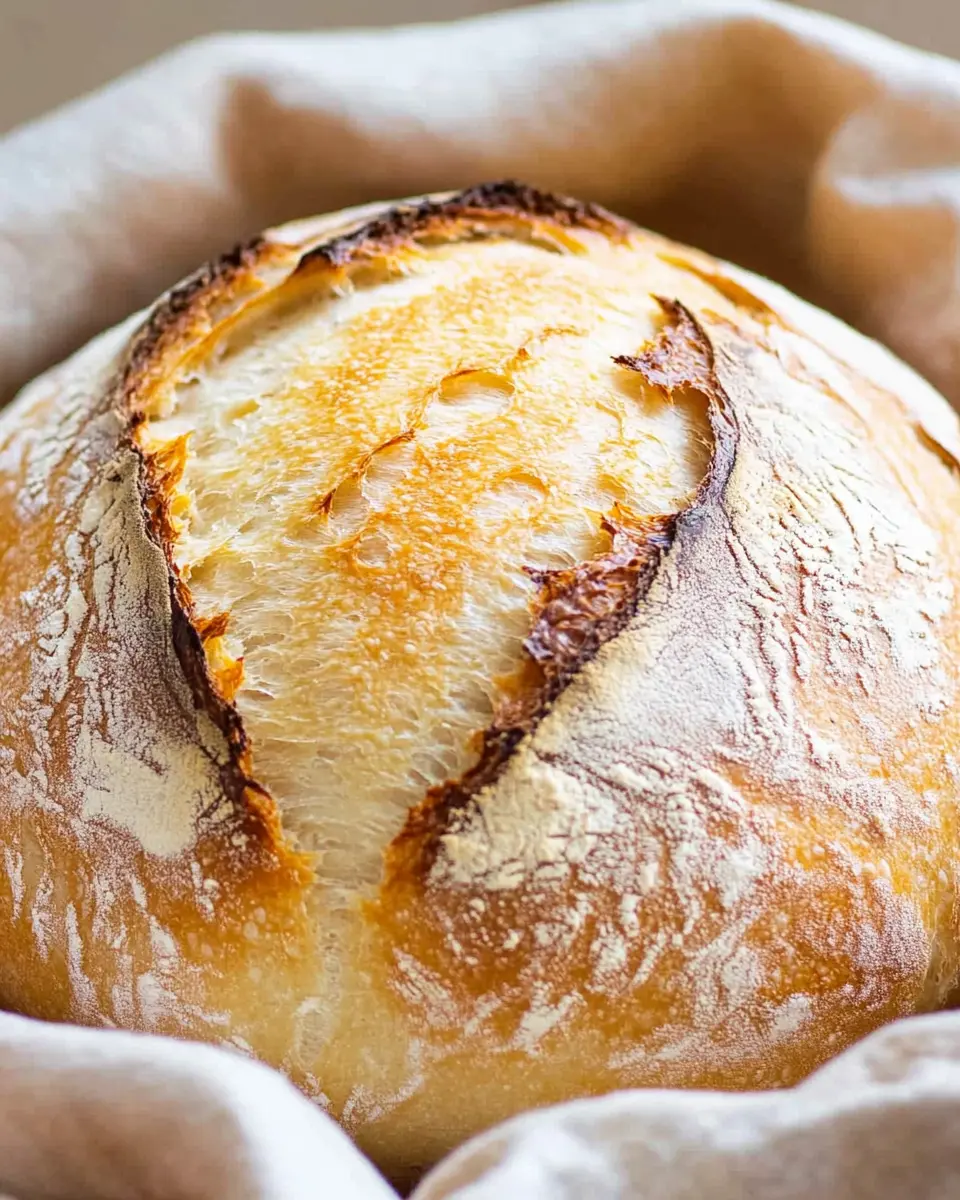
Introduction to Easiest Ever No Knead Sourdough Bread
Brief introduction to the joy of homemade bread
There’s something uniquely satisfying about the smell of freshly baked bread wafting through your home. The warmth, the aroma, and the anticipation of slicing into a crusty loaf are experiences that no store-bought bread can replicate. Making your own sourdough bread, especially with a no-knead recipe, simplifies the process and invites joy into your kitchen.
Personal anecdote about baking and its comforts
I remember the first time I baked a loaf of sourdough bread. It was early on a Sunday morning, and as the dough slowly rose, I found myself reflecting on how baking has a way of bringing people together. Whether it’s sharing a slice with friends or simply enjoying it with your morning coffee, homemade bread offers comfort and satisfaction. It’s a beautiful ritual that transforms simple ingredients into something extraordinary, and the easiest ever no knead sourdough bread makes this experience accessible for everyone.
In just a few easy steps, you can create a delicious loaf that not only nourishes the body but also warms the heart.
Key Ingredients for Easiest Ever No Knead Sourdough Bread
3 cups all-purpose flour:
This flour is the backbone of your sourdough, providing the necessary structure for your loaf. Its high gluten content helps achieve that perfect chewy texture we all love in bread.
1 1/2 cups warm water:
Warm water activates the sourdough starter, encouraging fermentation and helping the dough to rise. The right temperature is crucial, ideally around 110°F (43°C), to promote yeast activity without killing it.
1/4 cup sourdough starter:
The sourdough starter is essential for imparting the unique tangy flavor and leavening needed for your bread. It’s the heart of your recipe, transformed from a simple mix of flour and water into a flavorful culture.
1 teaspoon salt:
Salt not only enhances the flavor of your bread but also regulates fermentation, ensuring a consistent rise. It’s a simple ingredient that plays a critical role in the overall success of your loaf.

Why You’ll Love This Recipe
Simplicity of a no-knead recipe
This Easiest Ever No Knead Sourdough Bread is designed for those who love homemade goodness without the fuss of traditional bread-making. With just a few simple ingredients and minimal hands-on time, this recipe allows you to enjoy the art of baking without feeling overwhelmed.
Flavor profile and texture of the bread
The result is a beautifully crusty exterior and a soft, airy interior that’s perfect for sandwiches or simply enjoying with butter. The fermentation process adds a delightful tang that elevates the flavor, making each bite a treat for your taste buds.
Perfect for busy professionals and novice bakers
Whether you’re a busy professional or a novice baker, this recipe is ideal. You can mix the dough in the evening, let it rise overnight, and have fresh bread ready the next day. It’s a win-win for anyone looking to savor homemade bread without the time commitment.
Variations
Suggestions for using different flours (whole wheat, rye)
Experimenting with different flours can elevate your Easiest Ever No Knead Sourdough Bread to new heights. Whole wheat flour adds a nutty flavor and additional fiber, making your bread heartier. Rye flour introduces a distinct taste and can create a denser loaf, perfect for those who appreciate a robust bread.
Incorporating herbs, cheese, or seeds for added flavor
Adding herbs like rosemary or thyme can infuse your bread with aromatic flavors, while incorporating cheeses like feta or cheddar can create a savory delight. For a crunchy texture and added nutrients, consider tossing in seeds such as sunflower or sesame. These variations allow you to personalize your sourdough experience and make each loaf uniquely yours.
Cooking Tips and Notes
Importance of a cast iron Dutch oven
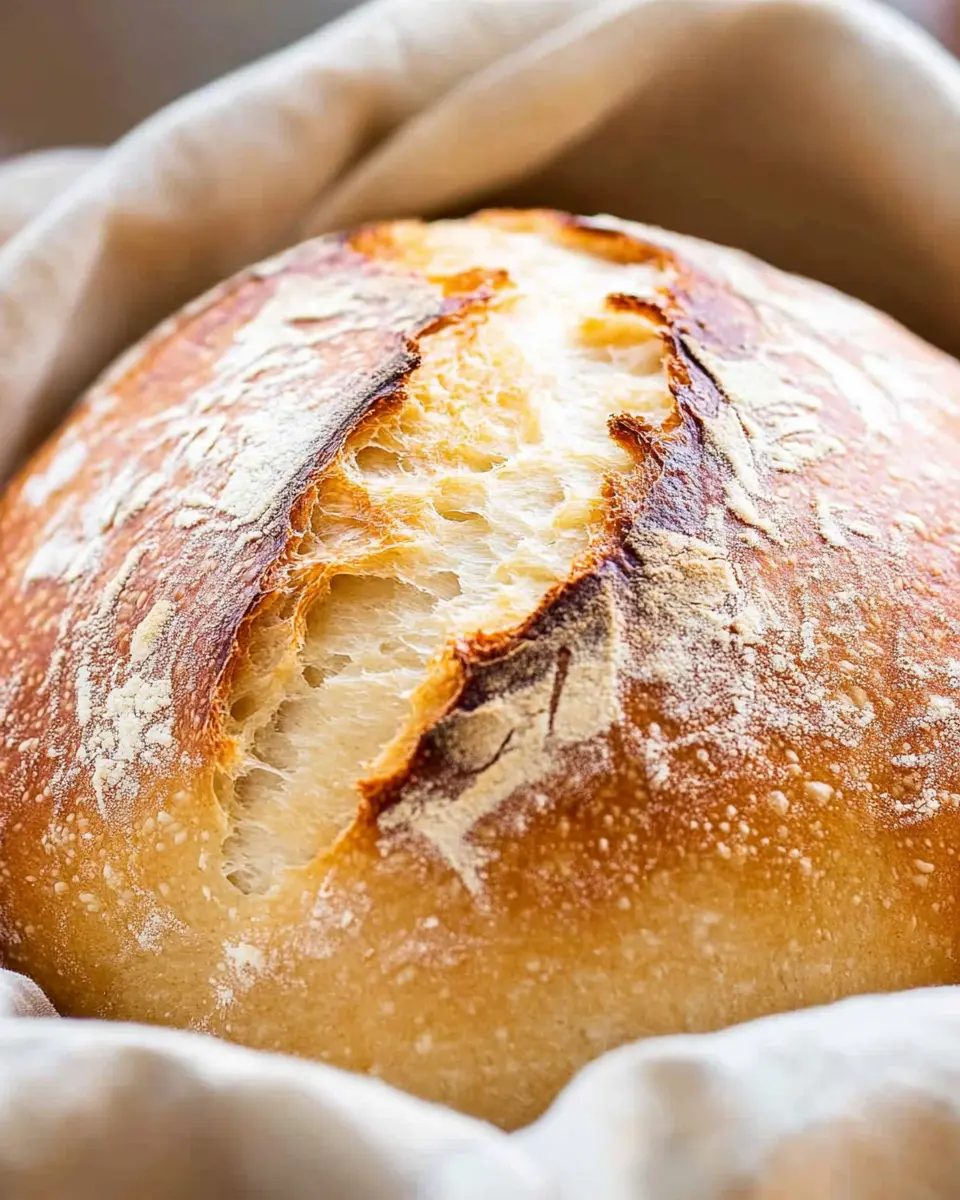
Using a cast iron Dutch oven is crucial for achieving the perfect crust on your Easiest Ever No Knead Sourdough Bread. The heavy material retains heat exceptionally well, creating a steamy environment that helps the bread rise and develop that delightful golden crust. If you want a bakery-quality loaf, this tool is a must-have.
Tips on shaping the dough
When shaping your dough, be gentle to preserve the air bubbles that form during fermentation. Lightly flour your work surface and your hands to prevent sticking, then fold the dough over itself a few times to create a round shape. This technique ensures a nice rise and a well-structured loaf, leading to a beautiful crumb.
Ideal resting conditions for the dough
Allowing the dough to rest in a warm, draft-free area is essential for optimal fermentation. Cover it with a damp cloth or plastic wrap to retain moisture. A temperature of around 70°F (21°C) is ideal for rising, so consider placing it in an oven that’s turned off or near a warm spot in your kitchen. Patience is key here; the longer it rests, the better the flavor and texture you’ll achieve.
Serving Suggestions
Pairing with different spreads (butter, jam, cheese)
One of the simplest ways to enjoy your Easiest Ever No Knead Sourdough Bread is by slathering it with your favorite spreads. A generous layer of butter melts beautifully into the warm bread, creating a comforting treat. If you’re in the mood for something sweeter, consider pairing it with homemade jam. For a savory option, creamy cheeses like brie or sharp cheddar complement the bread’s crusty exterior perfectly, making for an indulgent snack or appetizer.
Ideas for using bread in meals (sandwiches, toast)
This versatile bread can easily be transformed into a delicious meal. Slice it for hearty sandwiches, piled high with fresh vegetables, meats, or your favorite spreads. Alternatively, toast a slice for breakfast, topped with avocado for a nutritious start to your day. The possibilities are endless, and this sourdough loaf will elevate any meal with its delightful flavor and texture.
Time Breakdown
Prep time
Preparing this Easiest Ever No Knead Sourdough Bread is a breeze, taking just 5 minutes to mix your ingredients. This minimal effort means you can enjoy homemade bread without spending all day in the kitchen.
Rest time
The dough will need to rest for 12 to 18 hours, allowing the magic of fermentation to happen. This long rise is what gives your bread its distinctive flavor and texture, so be patient!
Bake time
Baking takes about 45 minutes, but the hands-on time is minimal. Once your dough has risen, it’s simply a matter of shaping and letting it rest while the oven heats up. This ease of preparation makes it perfect for busy schedules.
Nutritional Facts
Overview of calories, carbs, protein, etc.
The Easiest Ever No Knead Sourdough Bread is not only delicious but also nutritious. Each slice contains approximately 120 calories, with 25 grams of carbohydrates and 4 grams of protein. This makes it a satisfying option for those looking to enjoy homemade bread without compromising on nutritional value.
Benefits of homemade bread vs. store-bought (nutritional value)
Homemade sourdough offers significant advantages over store-bought varieties. Unlike mass-produced breads, this recipe allows you to control the ingredients, eliminating preservatives and additives. Additionally, the fermentation process enhances the bioavailability of nutrients, making the bread easier to digest and more nutritious. Enjoy the wholesome goodness of your homemade sourdough, knowing exactly what’s in it!
FAQ based on “People Also Ask” section
Common questions regarding sourdough and its preparation
What is the difference between sourdough and regular bread?
Sourdough bread is made using a natural fermentation process that involves wild yeast and bacteria found in the sourdough starter. This gives it a unique tangy flavor and chewy texture, unlike regular bread that typically uses commercial yeast for a quicker rise.
How long does it take to make sourdough bread?
Making the Easiest Ever No Knead Sourdough Bread involves a total time of about 18 hours and 50 minutes, including a 12 to 18-hour rise. However, the actual hands-on preparation time is just 5 minutes, making it convenient for busy schedules.
Can you use whole wheat flour for sourdough?
Yes, you can substitute whole wheat flour for all-purpose flour in this recipe. It will provide a nuttier flavor and more fiber, though it may require slight adjustments in hydration due to the different absorption properties of whole grains.
How do I know when my sourdough bread is done baking?
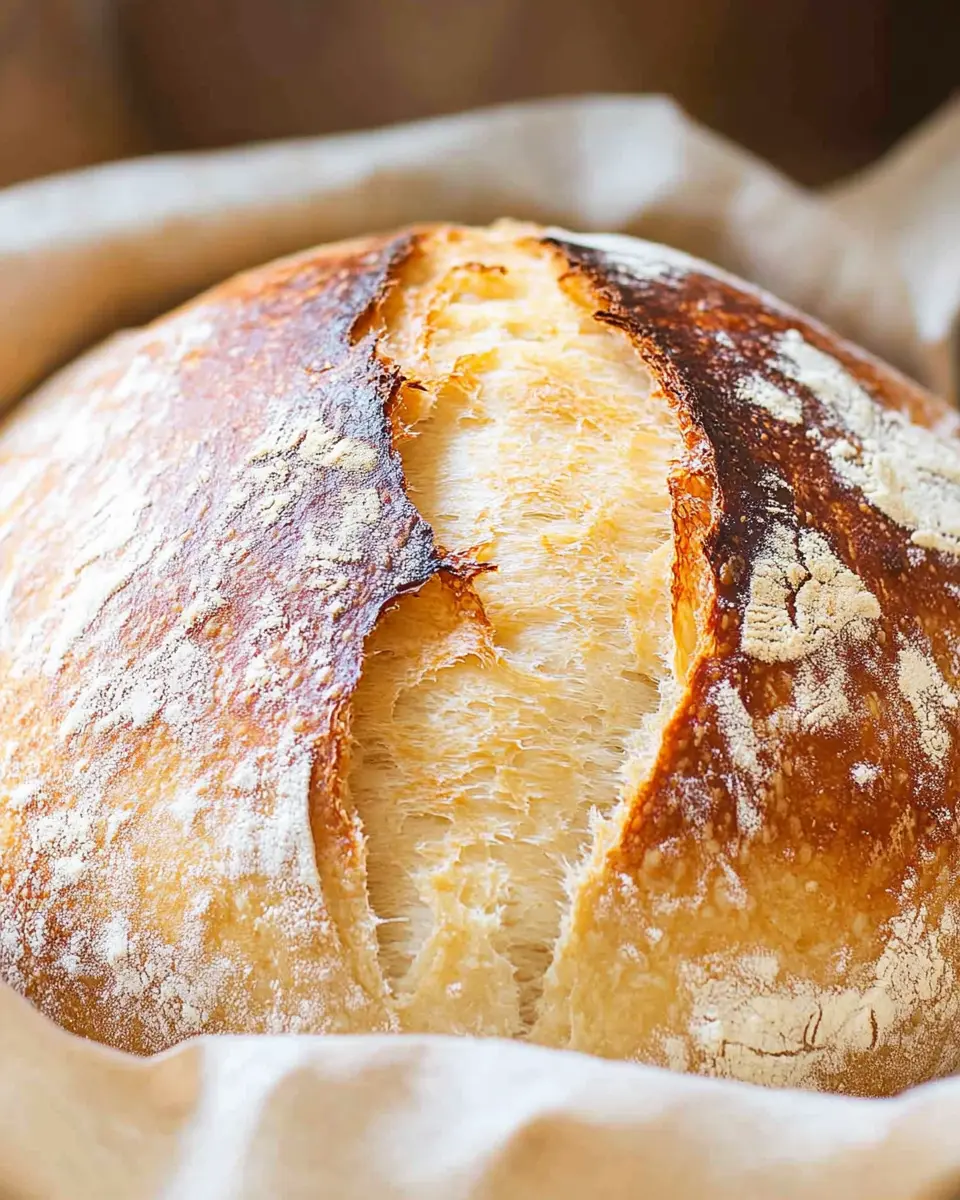
Your sourdough bread is done when it has a deep golden crust and sounds hollow when tapped on the bottom. The internal temperature should be around 200°F (93°C) for optimal doneness.
Conclusion
Reinforce the joy of baking at home
Baking the Easiest Ever No Knead Sourdough Bread is more than just a culinary task; it’s a delightful journey that fills your home with warmth and wonderful aromas. The simple process allows anyone to experience the joy of creating something from scratch, transforming basic ingredients into a delicious loaf of bread.
Encourage readers to try the recipe and make it their own
I encourage you to try this recipe and make it your own. Experiment with different flours or add your favorite herbs and cheeses to elevate the flavor. Each loaf can be a new adventure, and you’ll find that the satisfaction of enjoying homemade sourdough is truly unmatched. So roll up your sleeves and dive into the world of bread-making; you won’t regret it!
PrintEasiest Ever No Knead Sourdough Bread

This no knead sourdough bread is a simple and delicious way to enjoy homemade bread.
- Prep Time: 5 minutes
- Cook Time: 45 minutes
- Total Time: 18 hours 50 minutes
- Yield: 1 loaf
- Category: Bread
- Method: Baking
- Cuisine: American
- Diet: Vegetarian
Ingredients
- 3 cups all-purpose flour
- 1 1/2 cups warm water
- 1/4 cup sourdough starter
- 1 teaspoon salt
Instructions
- In a mixing bowl, combine flour, salt, and sourdough starter.
- Add warm water and mix until a shaggy dough forms.
- Cover the bowl with plastic wrap and let it rise at room temperature for 12 to 18 hours.
- Once risen, preheat the oven and a Dutch oven to 450°F (232°C).
- Shape the dough and let it rest while the oven heats.
- Transfer the dough to the hot Dutch oven and bake for about 30 minutes.
- Remove the lid and bake for an additional 15 minutes.
- Let cool before slicing.
Notes
- For best results, use a cast iron Dutch oven.
- Experiment with different flours for varied flavor.