
Introduction
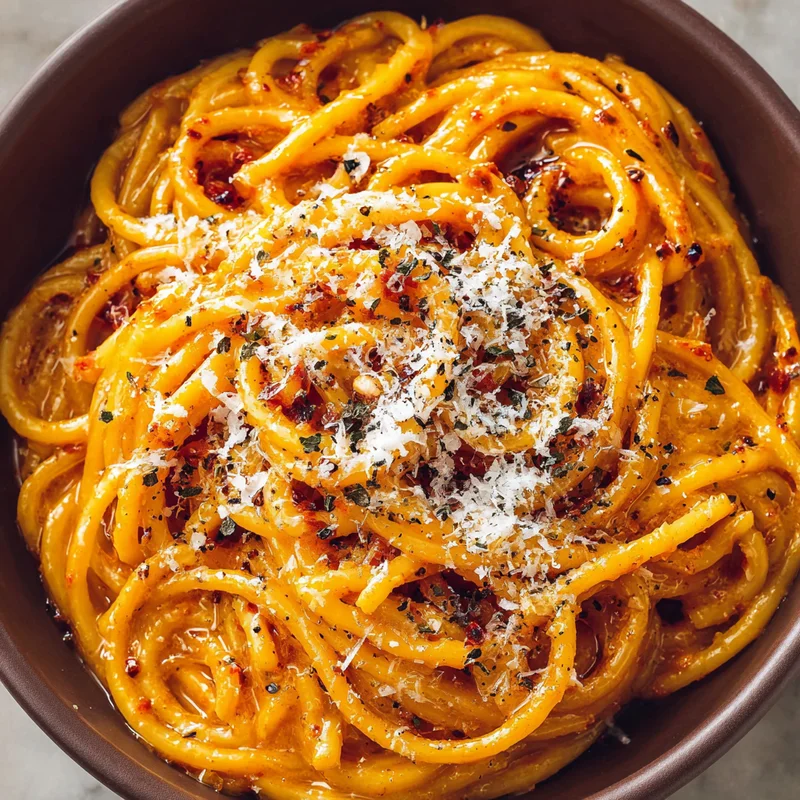
Remember those nights when a craving hits, and you need something delicious, fast, and unbelievably satisfying? Well, get ready to bookmark this recipe, because Gochujang Cacio e Pepe is about to become your new go-to. It’s a playful twist on a classic Italian dish, infused with the bold, savory, and slightly sweet kick of Korean gochujang. Imagine tender spaghetti coated in a creamy, cheesy sauce with a whisper of spice that just warms you from the inside out. It’s comfort food with an exciting edge, and trust me, it’s easier than you think!
Why You’ll Love This Recipe
- Fast: Seriously, you can have this on the table in under 30 minutes. Perfect for busy weeknights!
- Easy: Minimal ingredients, straightforward steps. Even beginner cooks can nail this one.
- Giftable: Package up the gochujang and peppercorns with the recipe card for a unique foodie gift!
- Crowd-pleasing: While it has a little kick, the familiar comfort of pasta and cheese makes it a hit with almost everyone.
Ingredients
Let’s gather our goodies! This recipe is all about quality ingredients that sing together:
- 1 lb dried spaghetti noodles: Our hearty base. Any long pasta like linguine or bucatini will work too!
- 3 tbsp gochujang: This is our star! A fermented Korean chili paste that brings incredible depth of flavor – sweet, savory, and a touch of heat. Look for it in the international aisle of your grocery store or at an Asian market.
- 1 tsp black peppercorns: For that classic Cacio e Pepe bite. Toasting them really brings out their amazing aroma and flavor.
- 2 tbsp olive oil: A good quality extra virgin olive oil adds a lovely fruity note.
- 3 oz Pecorino Romano cheese: This is non-negotiable for authentic Cacio e Pepe! It’s a hard, salty sheep’s milk cheese that melts beautifully and gives that signature tangy flavor. Grate it finely for the best results.
- Kosher salt, to taste: For seasoning our pasta water and the final dish.
How to Make It
Alright, let’s get cooking! It’s a simple dance of boiling pasta and building flavor.
- Get your pasta water ready: Grab a large pot, fill it with water, and generously salt it. You want it to taste like the sea! Bring it to a rolling boil over high heat. Once boiling, add your spaghetti and cook it according to the package directions. We’re aiming for al dente – tender but with a little bite.
- Toast those peppercorns: While your pasta is doing its thing, grab a dry skillet and toss in your peppercorns. Toast them over medium heat for about 1-2 minutes, or until they smell wonderfully fragrant. Give them a minute to cool down a bit, then give them a coarse grind. I like using a mortar and pestle for this, but a spice grinder or even the bottom of a heavy pan works too!
- Whip up the sauce base: In a large bowl (this is where we’ll toss everything later!), whisk together your gochujang, olive oil, and about ½ cup of the starchy pasta water you’re cooking. This starchy water is liquid gold; it helps create that luscious sauce!
- Save that pasta water: Before you drain your spaghetti, scoop out about 1 cup of that glorious starchy water and set it aside. This is your secret weapon for achieving the perfect sauce consistency.
- Bring it all together: Drain your spaghetti and immediately add it to the bowl with the gochujang mixture. Sprinkle in your finely grated Pecorino Romano cheese and all that freshly ground black pepper.
- Toss, toss, toss! Now for the magic. Toss everything vigorously! You’ll see the cheese start to melt and the gochujang mixture cling to the pasta. If it looks a little dry or clumpy, add more of that reserved pasta water, just a tablespoon at a time, until you have a creamy, glossy sauce that beautifully coats every strand of spaghetti. Keep tossing until it’s just right!
- Taste and season: Give it a quick taste. You might find it needs a little extra salt, depending on your cheese and pasta water. Adjust as needed.
- Serve with love: Plate it up immediately. This dish is best enjoyed piping hot!
Substitutions & Additions
This recipe is fantastic as is, but if you’re feeling adventurous or need to make a swap, here are some ideas:
- Cheese: If you can’t find Pecorino Romano, a good quality Parmesan cheese will work in a pinch, though it won’t have quite the same salty tang.
- Spice Level: Love heat? Add a pinch of red pepper flakes to the gochujang mixture. Prefer it milder? Start with less gochujang and add more to taste.
- Add Protein: Sautéed shrimp, pan-fried chicken, or even some crispy tofu would be delicious additions.
- Veggies: Wilted spinach, sautéed mushrooms, or tender snap peas would add a lovely fresh element.
- Herbs: A sprinkle of fresh chives or cilantro at the end adds a pop of color and freshness.
Tips for Success
A few little tricks to make sure your Gochujang Cacio e Pepe is absolutely perfect:
- Don’t overcook your pasta: Al dente is key! It will continue to cook slightly in the sauce.
- Grate your cheese finely: This helps it melt smoothly into the sauce. A microplane is your best friend here!
- Work quickly once the pasta is drained: The residual heat is what helps emulsify the sauce.
- Prep ahead: You can grate your cheese and toast/grind your peppercorns in advance to save even more time when it’s dinner o’clock.
- The Starchy Water is Crucial: Don’t forget to reserve it! It’s what transforms simple ingredients into a creamy sauce without needing heavy cream.
How to Store It
Honestly, this dish is best served immediately. The sauce can thicken and become less creamy as it sits. However, if you have leftovers, store them in an airtight container in the refrigerator for up to 1-2 days. To reheat, gently warm it in a non-stick skillet over low heat, adding a splash of water or milk to loosen the sauce. It won’t be quite as perfect as fresh, but it’s still delicious!
FAQs
Q: Is Gochujang Cacio e Pepe spicy?
A: It has a pleasant warmth from the gochujang, but it’s not overpoweringly spicy. You can adjust the amount of gochujang to suit your preferred heat level.
Q: Can I use regular salt instead of Kosher salt?
A: Yes, but use it sparingly and season to taste, as regular table salt is more potent. Kosher salt is often preferred for its cleaner taste and texture.
Q: What kind of pasta is best for this recipe?
A: Spaghetti is classic, but any long, sturdy pasta like linguine, bucatini, or even fettuccine will work beautifully.
Spicy Gochujang Cacio e Pepe

A playful twist on a classic Italian dish, infused with the bold, savory, and slightly sweet kick of Korean gochujang. Tender spaghetti coated in a creamy, cheesy sauce with a whisper of spice.
- Large pot
- Dry skillet
- mortar and pestle
- Large bowl
- Microplane
Main ingredients
- 1 lb dried spaghetti noodles (Any long pasta like linguine or bucatini will work too!)
- 3 tbsp gochujang (Fermented Korean chili paste)
- 1 tsp black peppercorns (Toast them for best flavor)
- 2 tbsp olive oil (Good quality extra virgin)
- 3 oz Pecorino Romano cheese (Finely grated)
- Kosher salt (To taste)
- Fill a large pot with water, generously salt it (like the sea), and bring to a rolling boil over high heat. Add spaghetti and cook according to package directions until al dente.
- While pasta cooks, toast black peppercorns in a dry skillet over medium heat for 1-2 minutes until fragrant. Let cool slightly, then coarsely grind.
- In a large bowl, whisk together gochujang, olive oil, and about ½ cup of starchy pasta water.
- Before draining, reserve about 1 cup of the starchy pasta water.
- Drain spaghetti and immediately add it to the bowl with the gochujang mixture. Sprinkle in the grated Pecorino Romano cheese and ground black pepper.
- Toss vigorously until the cheese melts and coats the pasta. Add more reserved pasta water, a tablespoon at a time, if needed, to create a creamy, glossy sauce. Continue tossing until well-coated.
- Taste and adjust seasoning with Kosher salt if necessary.
- Serve immediately while piping hot.
This dish is best served immediately. If you have leftovers, store them in an airtight container in the refrigerator for up to 1-2 days. To reheat, gently warm in a non-stick skillet over low heat, adding a splash of water or milk to loosen the sauce.