
Introduction to High Hydration Sourdough Bread
Brief overview of sourdough bread and its growing popularity.
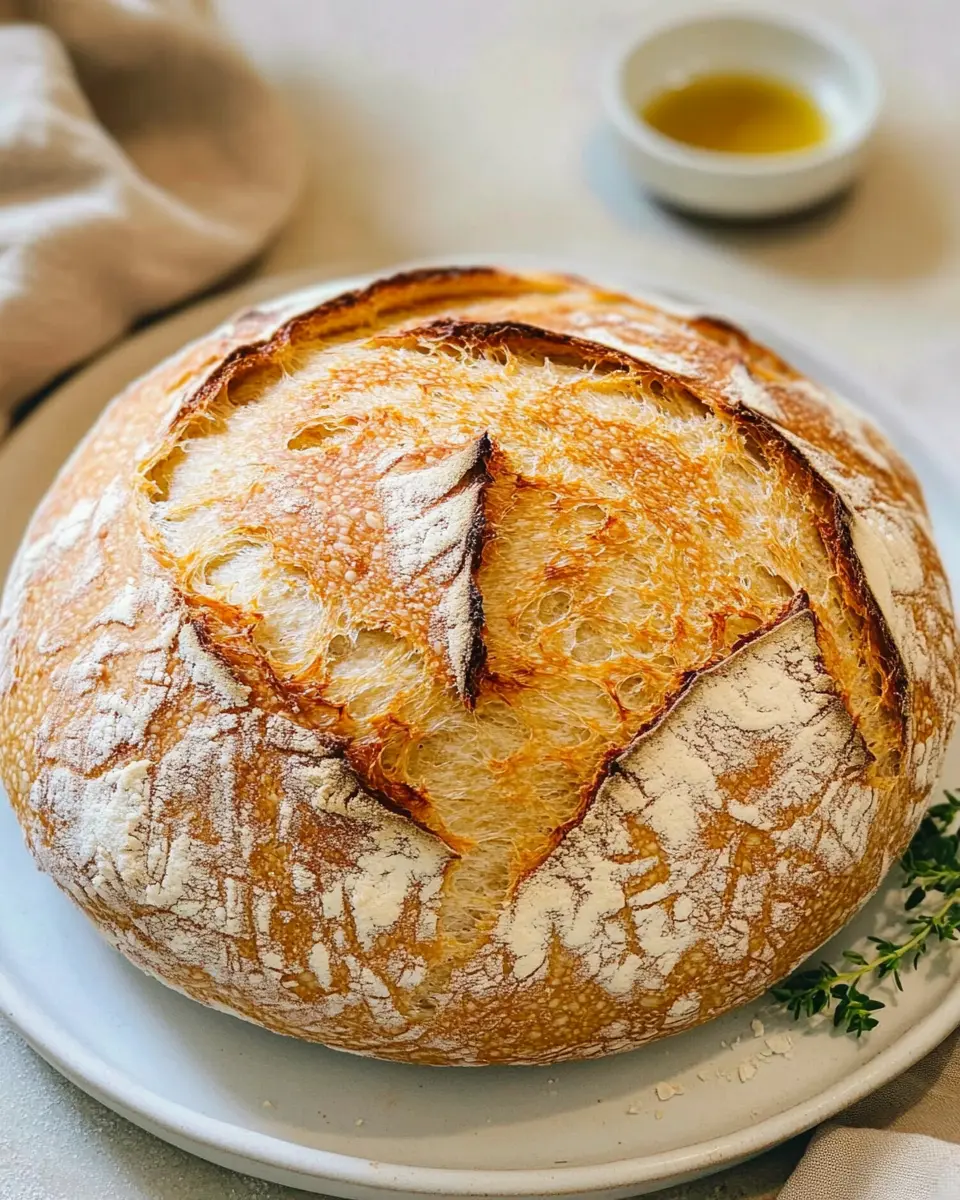
Sourdough bread has taken the culinary world by storm, becoming a staple for many home bakers. Its unique tangy flavor and chewy texture stem from the natural fermentation process, which nurtures beneficial bacteria and wild yeast. As more people seek artisanal quality in their kitchen, high hydration sourdough bread stands out for its airy crumb and crusty exterior, captivating the taste buds of food enthusiasts everywhere.
Personal anecdotes or stories about baking sourdough at home.
Many who embark on the journey of baking sourdough at home share a common thread of joy and pride. I remember my first attempt, the thrill of watching the dough rise, and the delightful aroma wafting through my kitchen as it baked. Each loaf tells a story, a blend of science and art, where patience yields delicious results. The process of nurturing a sourdough starter becomes a cherished ritual, connecting us with our food in a meaningful way.
Rhetorical questions to engage readers and highlight benefits of homemade bread.
Have you ever wondered what makes homemade bread so special? The answer lies in the love and care put into each step of the process. Imagine pulling a warm loaf from the oven, the crust crackling as you slice into it, releasing steam and that irresistible smell. What could be more satisfying than sharing a slice of your own creation with friends and family, knowing you crafted it from scratch? Why not try your hand at high hydration sourdough bread and experience the joys of homemade baking?
Key Ingredients
500 grams bread flour
Bread flour is essential for providing the structure and strength needed in sourdough bread. Its higher protein content helps create gluten, which traps air and contributes to the bread’s chewy texture.
450 grams water
Water is crucial for hydration in high hydration sourdough bread. It not only helps dissolve the flour but also activates the enzymes and yeast, leading to a unique texture and flavor profile in the final loaf.
100 grams mature sourdough starter
A mature sourdough starter is the heart of this recipe, introducing natural fermentation and a complex flavor. It provides the necessary wild yeast and bacteria needed for a successful rise and tangy taste.
10 grams salt
Salt is more than just a flavor enhancer; it controls fermentation rates and strengthens gluten structure. It helps balance the flavors, ensuring your sourdough bread is both tasty and well-rounded.

Why You’ll Love This Recipe
Discussion of the airy texture and flavor created by high hydration.
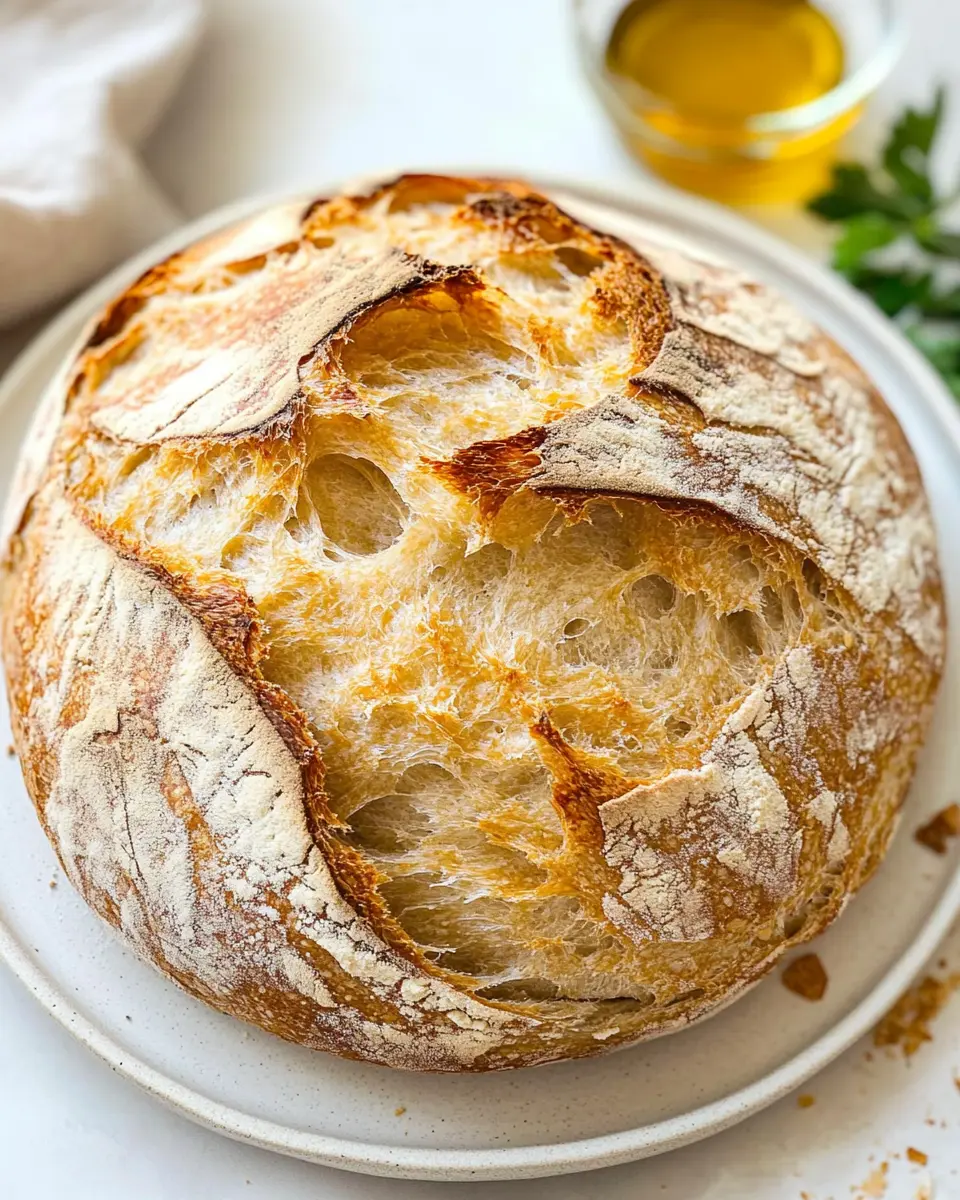
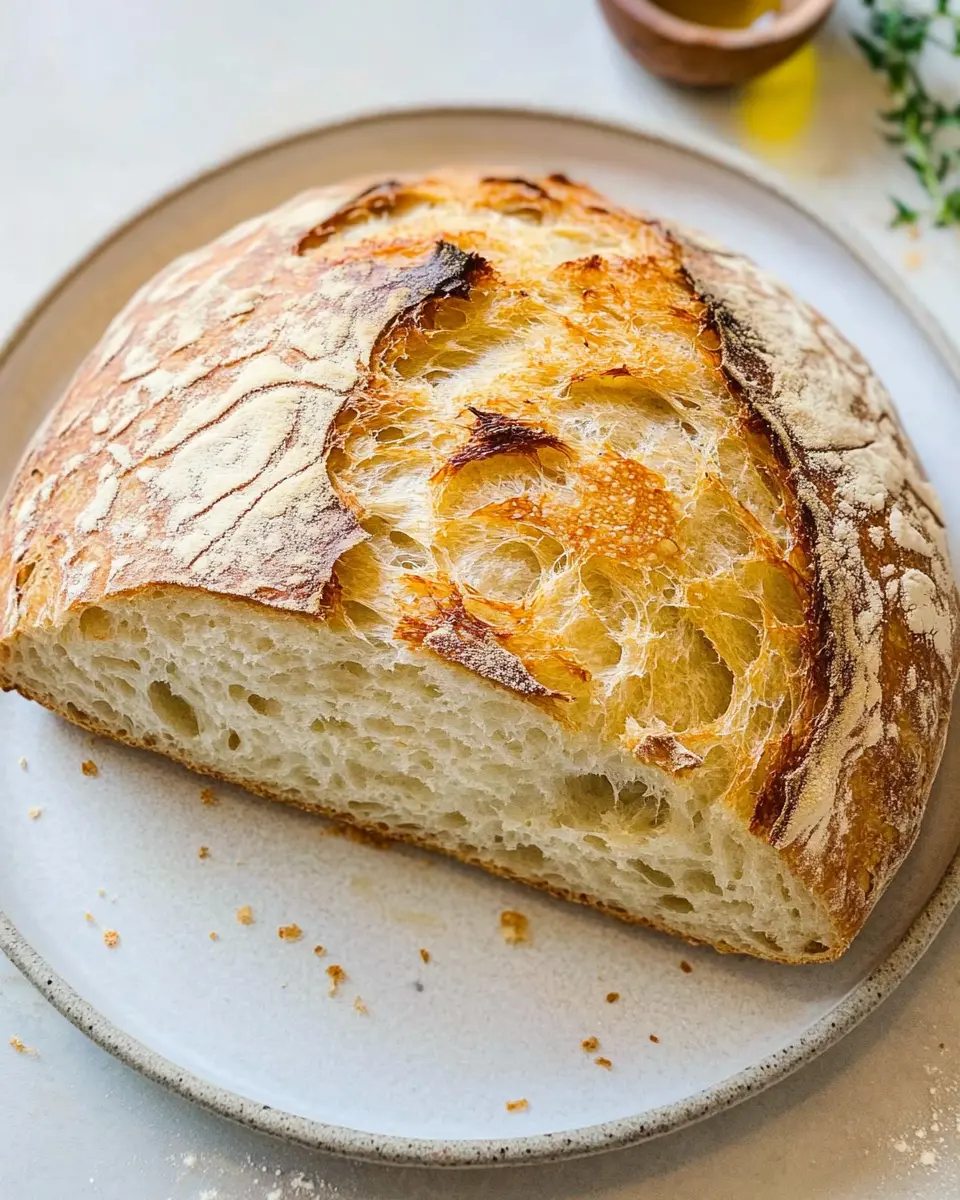
High hydration sourdough bread offers an unparalleled airy texture, making each slice a delight to savor. The increased water content allows for better gluten development, resulting in a light and open crumb structure that pairs beautifully with the bread’s naturally tangy flavor. As you bite into the crusty exterior, the moist, chewy interior will leave you craving more.
Benefits of baking at home vs buying from stores.
Baking at home allows you to control every aspect of your sourdough experience, from the ingredients to the fermentation process. Unlike store-bought bread, which often contains preservatives and additives, homemade high hydration sourdough is pure, wholesome, and immensely satisfying. Plus, the ability to customize flavors and textures to your liking makes the process even more rewarding.
Emotional appeal through the joy of baking and sharing with loved ones.
There’s something deeply fulfilling about baking bread at home, especially when sharing it with family and friends. The warmth of a freshly baked loaf creates a sense of comfort and connection. Can you imagine the smiles as you pull a golden brown loaf from the oven, ready to be enjoyed together? High hydration sourdough bread not only nourishes the body but also feeds the soul, making every baking session an opportunity for joy and togetherness.
Variations
Suggestions on different types of flours to use
When it comes to high hydration sourdough bread, experimenting with different flours can lead to exciting new flavors and textures. Whole wheat flour adds a nutty taste and increases the bread’s nutritional value, while rye flour introduces a distinct earthy flavor that complements the tang of sourdough beautifully. Mixing these flours with bread flour can create a unique blend that elevates your baking game.
Ideas for incorporating seeds or herbs
Adding seeds like sunflower or sesame can enhance the flavor and provide a delightful crunch to your high hydration sourdough bread. Simply fold them into the dough during the stretch and fold phase for an even distribution. If you’re feeling adventurous, consider incorporating fresh herbs like rosemary or thyme, which not only add aromatic notes but also bring a fresh twist to your homemade loaf. These variations not only cater to your taste preferences but also make your sourdough uniquely yours.
Cooking Tips and Notes
Tips for achieving the best autolyse and dough development.
To get the most out of your autolyse, ensure that all the flour is well-hydrated before adding the sourdough starter and salt. This process allows enzymes to break down the flour, enhancing gluten development and flavor. Aim for a resting period of 30 minutes to an hour, which will significantly improve the dough’s elasticity and structure.
How to adjust hydration levels based on flour type.
Different flours absorb water differently, so it’s important to adjust hydration levels accordingly. For instance, whole wheat flour typically requires more water than all-purpose or bread flour due to its higher absorption capacity. If you’re venturing into using rye or spelt, consider increasing hydration by 5-10% for optimal results in your high hydration sourdough bread.
Common mistakes to avoid for perfect sourdough.
One of the most common pitfalls is not allowing enough time for the dough to rise. Patience is key, as rushing the proofing stage can lead to dense bread. Additionally, avoid adding too much flour during handling, as this can affect hydration and the final texture. Remember, less is often more when it comes to flour during shaping and handling!
Serving Suggestions
Ideas on how to enjoy sourdough
High hydration sourdough bread is incredibly versatile and can be enjoyed in various delightful ways. Spread a generous layer of butter on a warm slice for a classic treat, or pair it with artisanal cheeses for a sophisticated charcuterie board. This bread also makes an excellent base for sandwiches, particularly with fresh vegetables and meats, or toasted to accompany hearty soups.
Mention potential recipes that pair well with sourdough
Sourdough’s tangy flavor pairs wonderfully with a variety of dishes. Consider serving it alongside a rich tomato basil soup or a creamy butternut squash soup for a comforting meal. For a delightful brunch option, serve it with avocado toast topped with a poached egg and a sprinkle of chili flakes. The possibilities are endless when you let your creativity flow with high hydration sourdough bread.
Time Breakdown
Overview of prep time, cooking time, and proofing time.
Creating high hydration sourdough bread involves several stages, each requiring patience and attention. The preparation time is about 20 minutes, during which you mix the ingredients and allow the dough to rest. The cooking time takes approximately 45 minutes, where the dough transforms into a golden-brown loaf. Additionally, the proofing time can vary between 3 to 4 hours at room temperature or overnight in the refrigerator, helping develop the bread’s unique flavor and texture.
Efficiency Tip
To maximize your time, consider preparing the dough in the evening and letting it proof overnight in the refrigerator. This way, you can bake fresh bread in the morning with minimal effort!
Nutritional Facts
Breakdown of nutritional information per slice.
High hydration sourdough bread offers a balanced nutritional profile, providing about 150 calories per slice. Each slice contains 4 grams of protein and 1 gram of fiber, making it a satisfying option for those seeking a wholesome bread. With only 0.5 grams of sugar and no cholesterol, this bread is a heart-healthy choice.
Highlight health benefits of homemade sourdough versus store-bought options.
Homemade sourdough is not only fresher but also contains no preservatives or artificial additives often found in store-bought varieties. The fermentation process enhances nutrient absorption, making it easier for your body to digest. Plus, you can enjoy the satisfaction of knowing exactly what goes into your bread!
FAQ based on ‘People Also Ask’ section
What makes sourdough different from other breads?
Sourdough bread is unique due to its natural fermentation process, which involves wild yeast and bacteria from the environment. This results in a distinct tangy flavor, a chewy texture, and improved digestibility compared to breads made with commercial yeast.
How do I know my sourdough starter is active?
An active sourdough starter is bubbly and has risen at least double its original size within a few hours of feeding. It should have a pleasant, slightly tangy smell. Performing a “float test”—dropping a spoonful of starter in water to see if it floats—can also indicate its readiness for baking.
Can I use all-purpose flour instead of bread flour?
Yes, you can use all-purpose flour for high hydration sourdough bread; however, the texture may differ slightly. Bread flour has a higher protein content, which helps develop gluten for a chewier crumb and better structure. If using all-purpose flour, consider adjusting hydration as it absorbs less water.
Conclusion to High Hydration Sourdough Bread
Recap the joys and benefits of making high hydration sourdough at home.
Making high hydration sourdough bread at home is not just about baking; it’s an experience filled with joy and creativity. The process allows you to connect with your food, understanding each step from mixing the ingredients to watching the dough rise. With its airy texture and delightful flavor, this bread becomes a rewarding treat for both you and your loved ones.
Encourage readers to try the recipe and share their experiences.
I encourage you to try this high hydration sourdough recipe for yourself. Each loaf you create will be a testament to your baking journey, filled with personal touches and flavors. Don’t forget to share your experiences, tips, and any variations you discover along the way. Your insights could inspire others in their own baking adventures!
Invite readers to explore further baking adventures.
As you master high hydration sourdough, consider exploring other baking projects. Whether it’s experimenting with different flours, incorporating seeds, or trying new flavors, the world of baking is vast and exciting. Embrace the adventure and let your creativity shine in the kitchen!
PrintHigh Hydration Sourdough Bread

A flavorful and airy sourdough bread with high hydration for a unique texture.
- Prep Time: 20 minutes
- Cook Time: 45 minutes
- Total Time: 4 hours 5 minutes
- Yield: 1 loaf
- Category: Bread
- Method: Baking
- Cuisine: Artisan
- Diet: Vegetarian
Ingredients
- 500 grams bread flour
- 450 grams water
- 100 grams mature sourdough starter
- 10 grams salt
Instructions
- Mix the bread flour and water in a large bowl until no dry flour remains.
- Let the dough rest for 30 minutes to an hour (autolyse).
- Add the sourdough starter and salt to the dough, and mix until well combined.
- Perform stretch and folds every 30 minutes for 2 to 3 hours.
- Shape the dough and place it into a well-floured proofing basket.
- Let it proof for 3 to 4 hours at room temperature or overnight in the refrigerator.
- Preheat the oven to 450°F (230°C) with a Dutch oven inside.
- Transfer the dough to the Dutch oven and score the top.
- Bake covered for 30 minutes, then uncover and bake for an additional 15-20 minutes until golden brown.
- Cool on a wire rack before slicing.
Notes
- For best flavor, use a mature sourdough starter.
- Experiment with hydration levels to find your desired texture.