
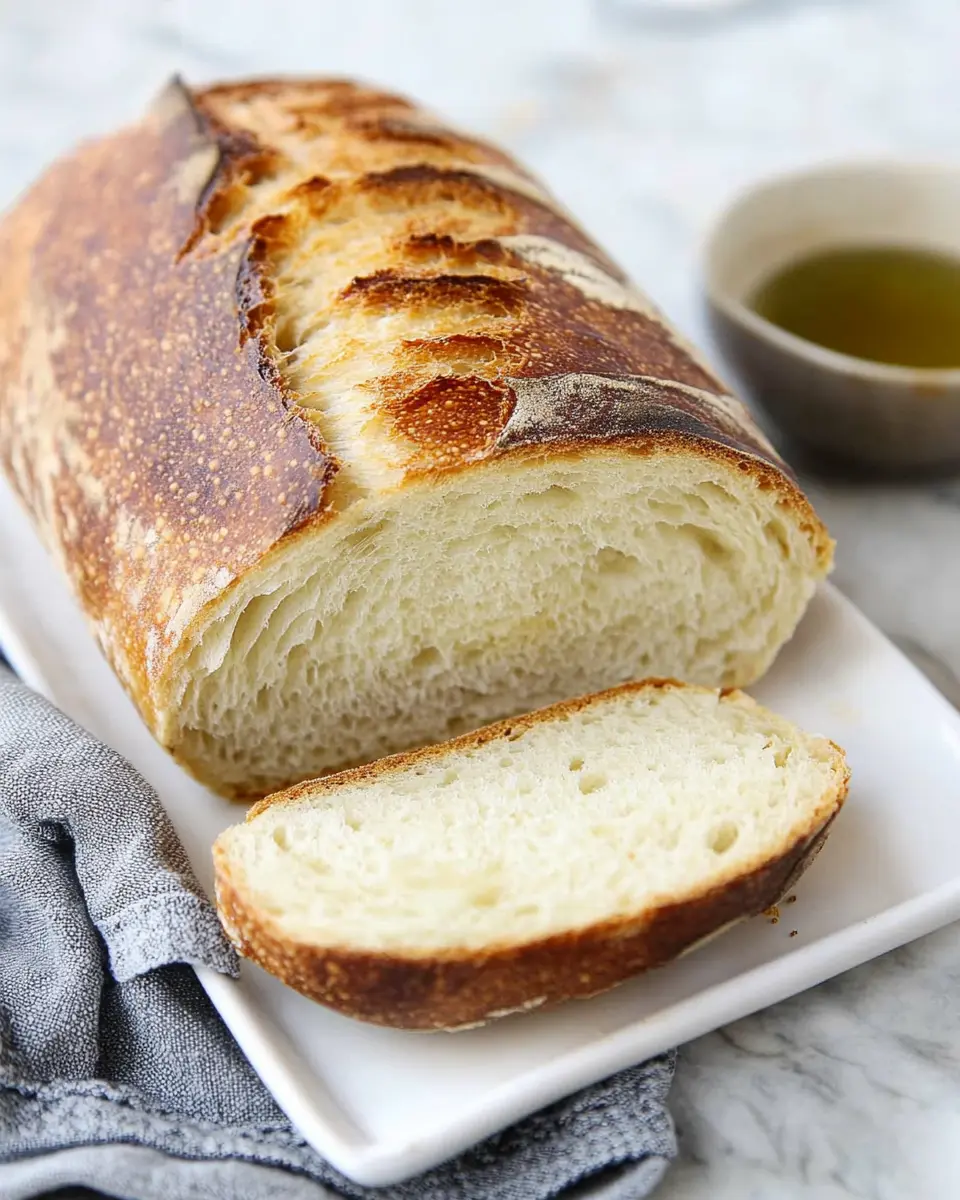
Introduction to Soft Sourdough Bread
A Rising Trend in Home Baking
Sourdough bread has captured the hearts of home bakers everywhere, and it’s no surprise why. With its tangy flavor and chewy texture, soft sourdough bread is not only a delicious choice for sandwiches but also a delightful treat when toasted. The process of nurturing a sourdough starter, which requires time and care, has become a rewarding ritual for many. As more people look to create comforting meals at home, sourdough has emerged as a symbol of culinary creativity and a return to traditional baking methods.
The Joy of Baking at Home
Baking sourdough bread can be an incredibly fulfilling experience. I remember the first time I pulled a golden loaf from the oven, the aroma filling my kitchen. That moment felt like magic, transforming simple ingredients into a beautiful creation. Each rise of the dough is a testament to patience and practice, making the final product even more satisfying. With each slice, you not only enjoy the bread but also the story of your effort and dedication.
Benefits of Making Bread From Scratch
There are countless advantages to making your bread from scratch. First, you have complete control over the ingredients, ensuring that you’re using only the best for your family. Additionally, homemade sourdough is often healthier than store-bought versions, as it can be free from preservatives and artificial additives. Plus, there’s something deeply gratifying about sharing homemade bread with loved ones, bringing people together at the table. Not to mention, the process can be a great way to relieve stress and embrace creativity in the kitchen.
In summary, soft sourdough bread is not just a recipe; it’s an experience that brings joy and health to your home. So why not roll up your sleeves and give it a try? You might just find a new favorite hobby!
Key Ingredients
Sourdough Starter
The foundation of sourdough, the sourdough starter is a living culture that introduces natural fermentation to the bread-making process. This fermentation not only contributes to the unique flavor but also helps create a light and airy texture that is characteristic of soft sourdough bread.
Warm Water
Warm water plays a crucial role in activating the sourdough starter and ensuring the dough reaches the right consistency. It helps to dissolve sugar and salt, allowing for an even distribution throughout the dough, which is essential for flavor and texture.
All-Purpose Flour
All-purpose flour provides the necessary structure and chewiness to the bread, making it ideal for sandwiches or toasting. It contains a balanced amount of protein, which supports gluten development, giving the bread its elasticity and strength.
Salt
Salt is not just a flavor enhancer; it also strengthens the dough by tightening gluten strands. This results in a better rise and a more complex flavor profile, making each bite of soft sourdough bread truly delightful.
Sugar
Sugar aids in browning the crust and balancing the flavors of the bread. This small amount of sweetness enhances the overall taste while also helping to create that golden crust that everyone loves.
These key ingredients work together harmoniously to create the perfect soft sourdough bread, which is not only a joy to bake but also a treat to enjoy.

Why You’ll Love This Recipe
Soft Texture and Flavor
The soft sourdough bread is a delightful treat for the senses, boasting a tender crumb and a slightly tangy flavor that makes each bite a pleasure. Whether enjoying it fresh out of the oven or toasted with a smear of butter, the texture and taste will elevate any meal, making it a staple in your home.
Versatility for Every Occasion
This bread is incredibly versatile, serving as the perfect base for everything from hearty sandwiches to elegant bruschetta. Whether it’s a casual breakfast, a family lunch, or a dinner party, soft sourdough bread can adapt to any occasion, impressing your guests and satisfying your cravings.
The Joy of Baking at Home
There’s a unique satisfaction that comes from baking bread at home. The process of watching the dough rise and the aroma wafting through your kitchen creates a warm, inviting atmosphere. Plus, nothing compares to the pride of sharing a loaf of homemade soft sourdough bread with family and friends, turning ordinary moments into cherished memories.
Variations
Adding Herbs or Seeds for Flavor Variations
Elevate your soft sourdough bread by incorporating fresh herbs or seeds into the dough. Chopped rosemary, thyme, or even sunflower seeds can add an exciting twist, enhancing both the flavor and the visual appeal of your loaf. Imagine the aroma of fresh herbs wafting through your kitchen as your bread bakes!
Different Shapes or Sizes
Why not try shaping your sourdough into rolls or baguettes? These variations can make your bread perfect for entertaining or meal prep. Smaller rolls are great for sandwiches, while the classic baguette shape is ideal for serving with soups and salads. Experimenting with shapes allows you to customize your bread for any occasion.
Exploring Different Types of Flour
For a unique taste and texture, consider using different types of flour beyond all-purpose. Whole wheat flour can add a nuttier flavor and denser texture, while spelt or rye flour can introduce new flavors and nutritional benefits. Each type of flour will create a distinct character in your soft sourdough bread, making every baking session a new adventure.
These variations allow you to personalize your baking experience and ensure your soft sourdough bread remains exciting and delicious every time you make it.
Cooking Tips and Notes
Tips for Kneading the Dough Correctly
Kneading is a crucial step in developing gluten, which gives your soft sourdough bread its desirable texture. Aim to knead the dough for about 10 minutes until it becomes smooth and elastic. A good test is to stretch a small piece of dough; if it forms a thin membrane without tearing, you’ve kneaded enough.
Importance of Allowing Proper Rise Times
Allowing your dough to rise adequately is essential for achieving that light, airy crumb characteristic of great sourdough. During the first rise, give the dough 3-4 hours in a warm place until it doubles in size. The second rise should be 1-2 hours; patience here pays off in flavor and texture.
Suggestions for Achieving the Perfect Crust
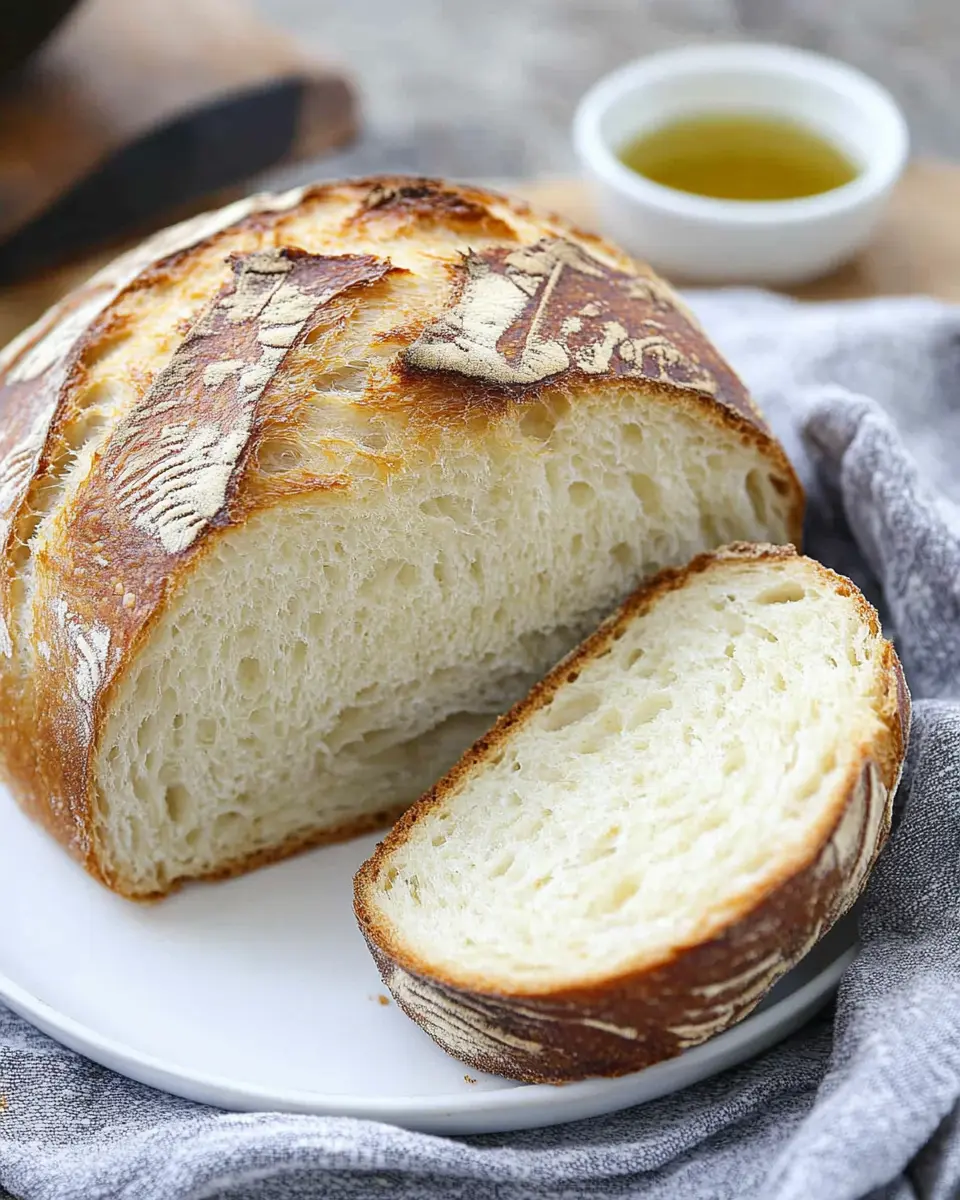
For a crust that’s crispy and golden, consider placing a pan of water in the oven while baking. This creates steam, which helps form a beautifully crusty exterior. Additionally, baking at a high temperature of 450°F ensures that the bread develops that sought-after crunchy crust while keeping the inside soft and fluffy.
Incorporating these tips will not only enhance your baking skills but also ensure each loaf of soft sourdough bread you create is a delicious success.
Serving Suggestions
Enjoying Sourdough Bread with Toppings and Spreads
Soft sourdough bread serves as a fantastic base for a variety of toppings and spreads. Consider slathering on creamy butter, rich avocado, or tangy cream cheese. You can enhance your experience by adding fresh herbs, sliced tomatoes, or even a drizzle of honey for a sweet twist. Each bite brings out the wonderful flavor of the bread, making it a delightful treat at any time of day.
Sandwich Combinations to Highlight Flavor and Softness
When it comes to sandwiches, the soft texture of sourdough bread shines through. Try pairing it with sliced turkey, crisp lettuce, and a smear of mustard for a classic lunch option. For a vegetarian delight, load up your sandwich with roasted vegetables and a spread of hummus. The possibilities are endless, and each combination allows the unique flavor of the sourdough to take center stage.
Serving as a Side with Soups and Salads
Soft sourdough bread is also an excellent companion to soups and salads. Serve warm slices alongside a hearty minestrone or a light tomato basil soup for a comforting meal. Its soft crust is perfect for dipping, and it adds a satisfying element to your dining experience. Pairing it with fresh salads not only complements the meal but also enhances the overall enjoyment of your dining table.
Time Breakdown
Detailed Timing for Preparation, Rising, and Baking Phases
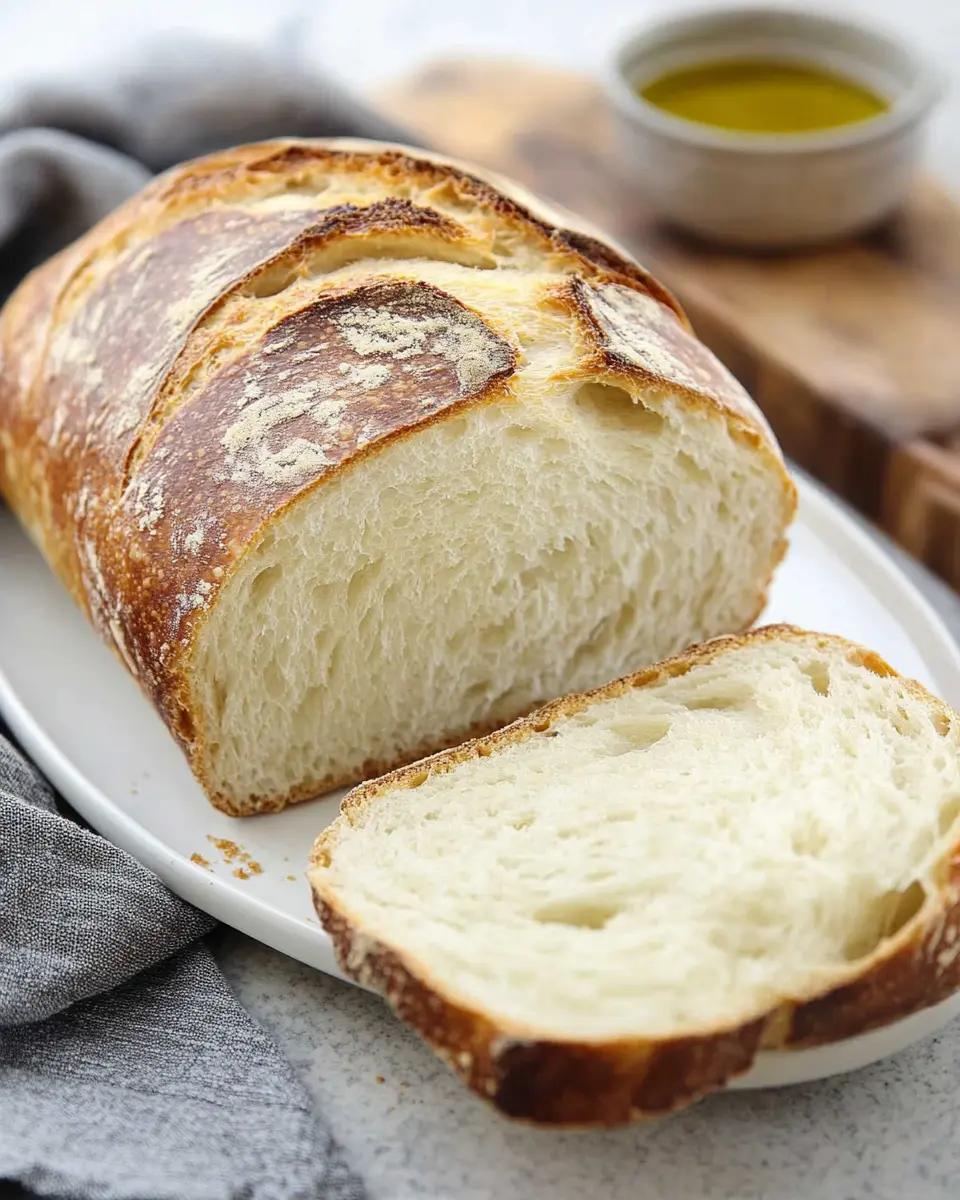
Making soft sourdough bread is a rewarding process that requires a bit of patience. The preparation phase takes about 30 minutes, where you will mix your ingredients and knead the dough. After that, the first rise should be allowed for 3-4 hours until the dough doubles in size. The second rise takes an additional 1-2 hours. Finally, the baking phase will take around 25-30 minutes in a preheated oven.
Tips for Planning Ahead
To make the best use of your time, consider preparing the sourdough starter the night before. This way, you can jump straight into mixing and kneading when you’re ready to bake. Planning ahead makes it easier to incorporate bread-making into your busy schedule, ensuring you enjoy delicious soft sourdough bread at your convenience.
Nutritional Facts
Standard Nutritional Information
Soft sourdough bread is not only delicious but also offers a variety of nutrients. Each slice contains approximately 150 calories, 1g of total fat, and 200mg of sodium. With 29g of carbohydrates, including 1g of dietary fiber and 1g of sugars, this bread provides a balanced option for your meals. Additionally, each slice contributes about 5g of protein, making it a wholesome choice for any diet.
Health Benefits of Homemade Bread
Making your own soft sourdough bread comes with numerous health benefits compared to store-bought options. Homemade bread is free from preservatives and artificial ingredients, allowing you to control what goes into your food. Moreover, the fermentation process involved in sourdough can improve digestibility and enhance nutrient absorption, making it a healthier alternative that supports your overall well-being.
FAQ based on “People Also Ask” section
Common Questions About Making Sourdough Bread
Many people wonder how to achieve the perfect rise with sourdough bread. The key lies in maintaining a healthy sourdough starter and allowing adequate rise times. If your bread isn’t rising as expected, check the temperature of your environment and ensure your starter is active and bubbly.
Addressing Concerns About Sourdough Starter Maintenance
Maintaining a sourdough starter can seem daunting, but it’s quite simple. Feed it regularly with equal parts flour and water to keep it active. If you’re not baking often, you can store it in the fridge and feed it once a week to keep it healthy. Just remember to bring it back to room temperature and feed it before using!
Tips for Troubleshooting Common Sourdough Issues
If you encounter dense bread, it could be due to under-kneading or insufficient rise time. Make sure to knead until the dough is smooth and elastic. Additionally, if your crust is too hard, consider adjusting the baking time or adding steam to the oven. With these tips, you’ll be well on your way to baking delicious soft sourdough bread!
Conclusion
Recap the Benefits and Joys of Making Soft Sourdough Bread at Home
Making soft sourdough bread at home is a rewarding experience that combines tradition with creativity. The process allows you to enjoy the satisfying aroma of freshly baked bread while knowing exactly what goes into it. Plus, the soft, flavorful loaf you create is perfect for sandwiches, toast, or simply enjoying on its own.
Encourage Readers to Try Baking Their Own
I encourage you to embark on this baking journey and try making your own soft sourdough bread. Share your experiences with family and friends, and don’t forget to experiment with flavors and shapes. Each loaf tells a story of your effort and passion for homemade goodness, so get started today!
PrintSoft Sourdough Bread

This soft sourdough bread is perfect for sandwiches or toasting.
- Prep Time: 30 minutes
- Cook Time: 30 minutes
- Total Time: 4 hours
- Yield: 1 loaf
- Category: Bread
- Method: Baking
- Cuisine: American
- Diet: Vegetarian
Ingredients
- 1 cup sourdough starter
- 1 1/2 cups warm water
- 5 cups all-purpose flour
- 2 teaspoons salt
- 1 tablespoon sugar
Instructions
- Mix the sourdough starter and warm water in a large bowl.
- Add the flour, salt, and sugar, and stir until a dough forms.
- Knead the dough for about 10 minutes until smooth.
- Place in a greased bowl, cover, and let rise for 3-4 hours.
- Punch down the dough and shape it into a loaf.
- Let rise again for 1-2 hours.
- Bake in a preheated oven at 450°F for 25-30 minutes.
Notes
- For an extra crispy crust, place a pan of water in the oven while baking.
- Let the bread cool completely before slicing.
- This bread can be stored in an airtight container for up to a week.