
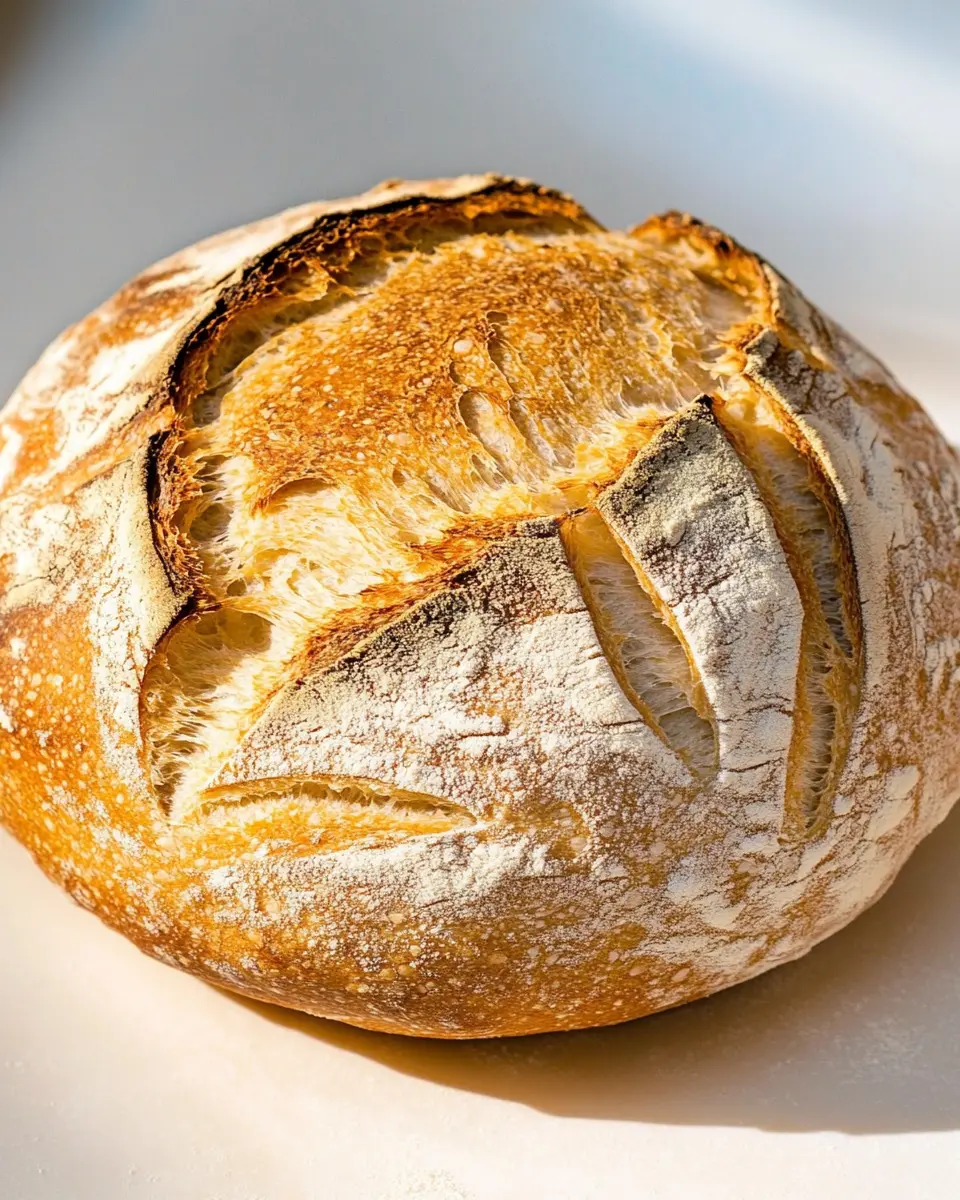
Introduction to the Delight of Homemade Sourdough Bread
Brief overview of sourdough bread & its appeal for young professionals.
Sourdough bread is not just a staple; it’s a culinary experience that combines tradition with taste. Its unique flavor profile, developed through the natural fermentation of flour and water, makes it a favorite among young professionals who appreciate the art of baking. The crispy crust and chewy interior offer a satisfying contrast that elevates any meal, making it a perfect match for those seeking comfort in their busy lives.
Personal anecdote about baking and the satisfaction it brings.
Imagine coming home after a long day, the aroma of freshly baked sourdough wafting through the air. I remember my first attempt at sourdough; the process was both challenging and rewarding. As I kneaded the dough, I felt a sense of connection to the generations of bakers before me. The moment I pulled the golden loaf from the oven, I experienced a profound satisfaction that only homemade bread can bring. It’s not just about the bread; it’s about the journey and the joy of creating something delicious from scratch.
Key Ingredients for Perfect Sourdough Bread
Active sourdough starter
Active sourdough starter is the heart of the recipe, essential for fermentation and flavor development. It contains wild yeast and bacteria that create the unique tangy taste of sourdough bread. Make sure your starter is bubbly and vigorous for the best results.
Warm water
Warm water is crucial as it activates the starter and flour mixture, ensuring the right consistency in your dough. The warmth helps to create a conducive environment for the yeast to thrive, promoting fermentation and a good rise.
Bread flour
Bread flour is key to achieving the necessary gluten strength for the bread’s structure. Its higher protein content compared to all-purpose flour helps create that perfect chewy texture while providing the loaf with stability during baking.
Salt
Salt enhances the flavor of the bread and controls fermentation, ensuring the dough rises at the right pace. It also strengthens the gluten structure, contributing to the overall texture of the finished loaf.

Why You’ll Love This Recipe
Discuss the health benefits of homemade bread vs. store-bought.
Homemade sourdough bread offers numerous health benefits compared to store-bought options. It’s free from preservatives and artificial additives, allowing you to enjoy a cleaner, more natural product. Additionally, the fermentation process enhances digestibility and nutrient absorption, making it a healthier choice for your daily meals.
The joy of custom flavors and texture.
One of the greatest joys of baking your own sourdough bread is the ability to customize flavors and textures. You can experiment with different types of flour, add herbs, seeds, or even dried fruits to create a loaf that perfectly suits your palate. This personal touch transforms a simple slice of bread into a delightful culinary experience.
Sustainability and cost-effectiveness of baking at home.
Baking at home is not only sustainable but also cost-effective. By using simple, wholesome ingredients, you reduce packaging waste and support local farmers. Moreover, making your own sourdough can save you money in the long run, as a single loaf can often cost less than a premium store-bought alternative. Embrace the joy of baking and feel good about your choices!
Variations of Sourdough Bread
Suggestions for different flours (e.g., whole wheat, rye).
Exploring various flours can significantly alter the flavor and texture of your sourdough bread. Whole wheat flour adds a nutty richness, while rye flour introduces a deeper, slightly tangy taste. Mixing different flours can create unique blends that cater to your personal preferences and dietary needs.
Adding seeds, nuts, or herbs for flavor variations.
Incorporating seeds, nuts, or herbs into your sourdough can elevate its taste and nutritional value. Try adding sunflower seeds for a delightful crunch, walnuts for a hearty flavor, or fresh herbs like rosemary for an aromatic touch. These additions not only enhance the bread’s appeal but also make each loaf uniquely yours.
Transforming sourdough into other baked goods (e.g., pizza crust, croutons).
Sourdough bread is incredibly versatile and can be transformed into various baked goods. Use leftover sourdough to create a crispy pizza crust, or cut it into cubes and bake for homemade croutons. This creativity not only minimizes waste but also allows you to enjoy the distinct flavor of sourdough in different culinary applications.
Cooking Tips and Notes for Baking Success
Importance of an active starter and how to maintain it.
An active sourdough starter is crucial for the success of your sourdough bread. It provides the necessary yeast and bacteria for fermentation, giving your bread its signature flavor and texture. To maintain your starter, feed it regularly with equal parts flour and water, and keep it at a consistent, warm temperature to encourage activity.
Tips for kneading and proofing the dough effectively.
Kneading is essential for developing gluten, which gives your sourdough bread its structure. Aim for about 10 minutes of kneading until the dough is smooth and elastic. For proofing, place your dough in a warm environment, covered, to allow it to rise properly. A longer, slower rise can enhance flavor, so don’t rush this step.
Common mistakes to avoid while making sourdough.
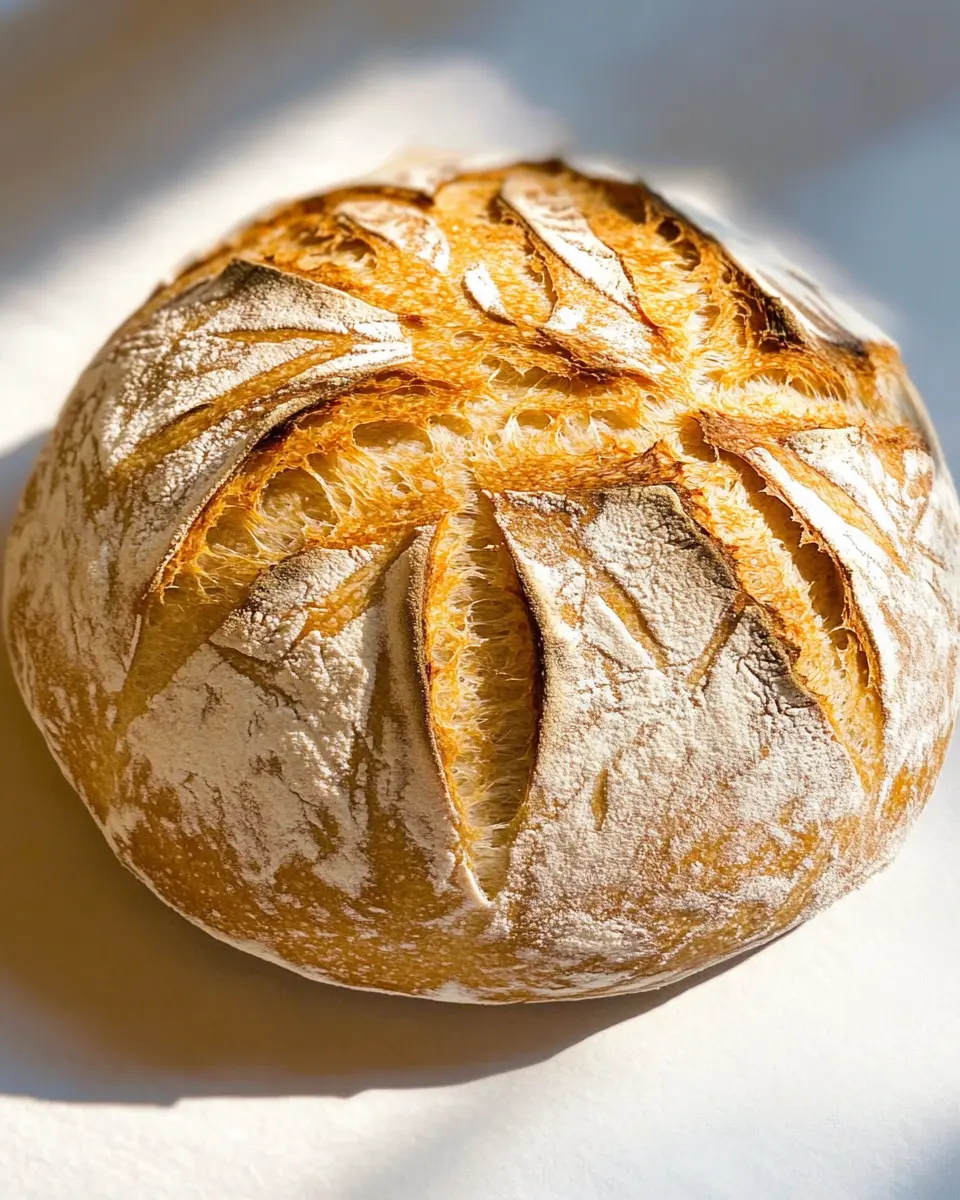
When making sourdough bread, avoid common pitfalls like using an inactive starter, which can lead to poor rise and flavor. Additionally, be mindful of over-kneading or under-kneading the dough, as both can affect texture. Lastly, don’t skip the scoring step before baking; it allows the bread to expand properly in the oven, resulting in a beautiful crust.
Serving Suggestions for Your Sourdough Bread
Ideas for pairing with soups, salads, or spreads.
Sourdough bread is a versatile companion that pairs beautifully with a variety of dishes. Serve it alongside hearty soups, fresh salads, or spread it with your favorite dips like hummus or avocado. The crusty exterior and chewy interior make it a delightful addition to any meal, enhancing both texture and flavor.
Creative ways to use leftovers (e.g., French toast, bread pudding).
Don’t let leftover sourdough go to waste! Transform stale slices into delicious French toast, soaking them in a mixture of eggs and milk for a sweet breakfast treat. Alternatively, use them in a savory bread pudding, combining them with eggs, cheese, and vegetables for a comforting dish.
Suggestions for wine and cheese pairings.
For a perfect evening, pair your sourdough bread with a selection of cheeses and wines. A sharp cheddar or creamy brie complements the tanginess of the bread, while a crisp white wine like Sauvignon Blanc or a light red like Pinot Noir can enhance your tasting experience. Enjoy these combinations for a delightful culinary adventure!
Time Breakdown for Sourdough Bread Preparation
Detailed breakdown of prep time, rising time, and baking time.
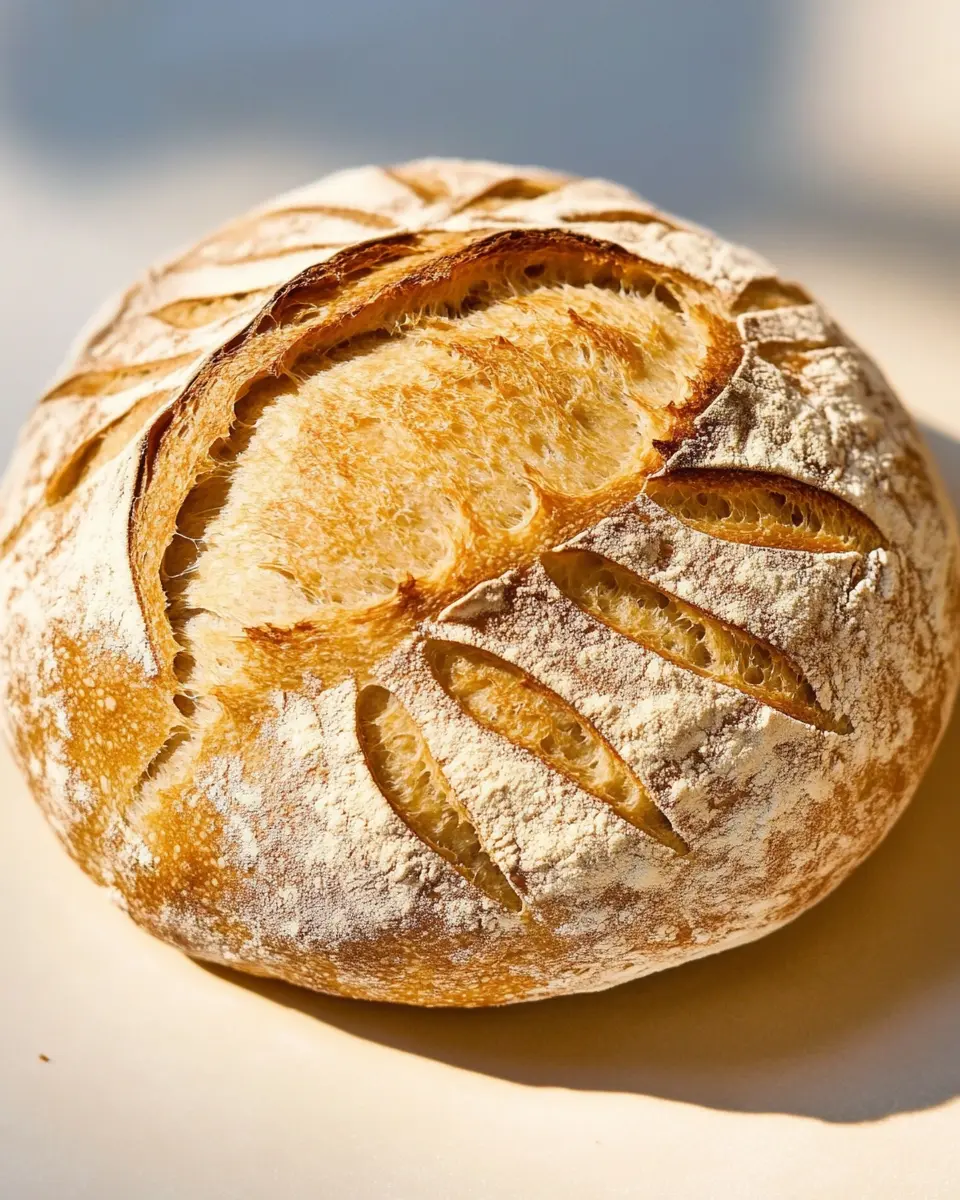
When making sourdough bread, time management is essential. The preparation time is about 10 minutes, during which you mix the ingredients. The dough needs to rise for 4-6 hours, allowing the flavors to develop and the texture to enhance. Finally, the baking time is 30-35 minutes, resulting in a beautifully golden loaf ready to cool.
Tips on managing time efficiently for busy schedules.
For busy young professionals, planning is key. Consider starting your sourdough bread in the morning, allowing it to rise while you tackle other tasks. Alternatively, you can prepare the dough in the evening and bake it the following day. This way, you can enjoy fresh sourdough bread without disrupting your busy schedule.
Nutritional Facts of Homemade Sourdough Bread
Highlight nutritional benefits per slice (calories, protein, etc.).
Homemade sourdough bread is not only delicious but also offers a range of nutritional benefits. Each slice contains about 120 calories, 4 grams of protein, and 1 gram of total fat. Its carbohydrate content is 24 grams, with 1 gram of dietary fiber, making it a satisfying option for those seeking a nutritious bread choice.
Discussion on healthier carb alternatives and dietary considerations.
When considering healthier carb alternatives, sourdough bread stands out due to its fermentation process, which enhances digestibility and may improve gut health. For those mindful of their carbohydrate intake, sourdough can be a better option compared to conventional white bread, offering a more wholesome experience without compromising on flavor.
FAQ on Sourdough Bread
How long does sourdough take to rise?
Sourdough bread typically takes 4-6 hours to rise, depending on the temperature and the activity level of your starter. During this time, the dough ferments and develops its unique flavor and texture, so be patient and allow it to rise fully.
Can I use all-purpose flour instead of bread flour?
Yes, you can use all-purpose flour in place of bread flour, but keep in mind that the texture may be slightly different. Bread flour has a higher protein content, which helps develop gluten, resulting in a chewier crust. If you use all-purpose flour, your sourdough bread may be a bit softer.
How do I know when my bread is done?
To check if your sourdough bread is done, tap the bottom of the loaf; it should sound hollow. Additionally, the crust should be a deep golden brown, and the internal temperature should reach about 200°F (93°C) for optimal doneness.
Why is my sourdough bread dense?
A dense sourdough loaf can result from several factors, including under-kneading the dough, using an inactive starter, or not allowing enough time for fermentation. Ensure your starter is bubbly and active, and give your dough ample time to rise for the best results.
Conclusion: Embrace the Art of Baking Sourdough
Encouragement to try the recipe and experiment.
Baking sourdough bread is a rewarding experience that invites you to explore your culinary creativity. I encourage you to try this recipe, adding your own personal touches along the way. Each loaf you create will be a testament to your efforts and a delicious reward for your time.
Positive affirmation about the benefits of homemade food.
Homemade sourdough bread not only nourishes the body but also warms the soul. Embracing the art of baking allows you to enjoy fresh, wholesome ingredients while fostering a deeper connection to your food. So roll up your sleeves, get baking, and savor the journey!
PrintSourdough Bread

Delicious homemade sourdough bread with a crispy crust and chewy interior.
- Prep Time: 10 minutes
- Cook Time: 35 minutes
- Total Time: 6 hours 15 minutes
- Yield: 1 loaf
- Category: Bread
- Method: Baking
- Cuisine: American
- Diet: Vegetarian
Ingredients
- 1 cup active sourdough starter
- 1 1/2 cups warm water
- 4 cups bread flour
- 2 teaspoons salt
Instructions
- In a large bowl, mix the sourdough starter with warm water.
- Add the flour and salt, mixing until a dough forms.
- Knead the dough for about 10 minutes until smooth.
- Place the dough in a greased bowl, cover, and let it rise for 4-6 hours.
- Shape the dough into a round loaf and place it on a parchment-lined baking sheet.
- Let it rest for another 1-2 hours.
- Preheat the oven to 450°F (232°C).
- Score the top of the loaf and bake for 30-35 minutes until golden brown.
- Cool on a wire rack before slicing.
Notes
- Ensure your starter is active and bubbly before using.
- Adjust the hydration by adding more or less water depending on your flour’s absorbency.